
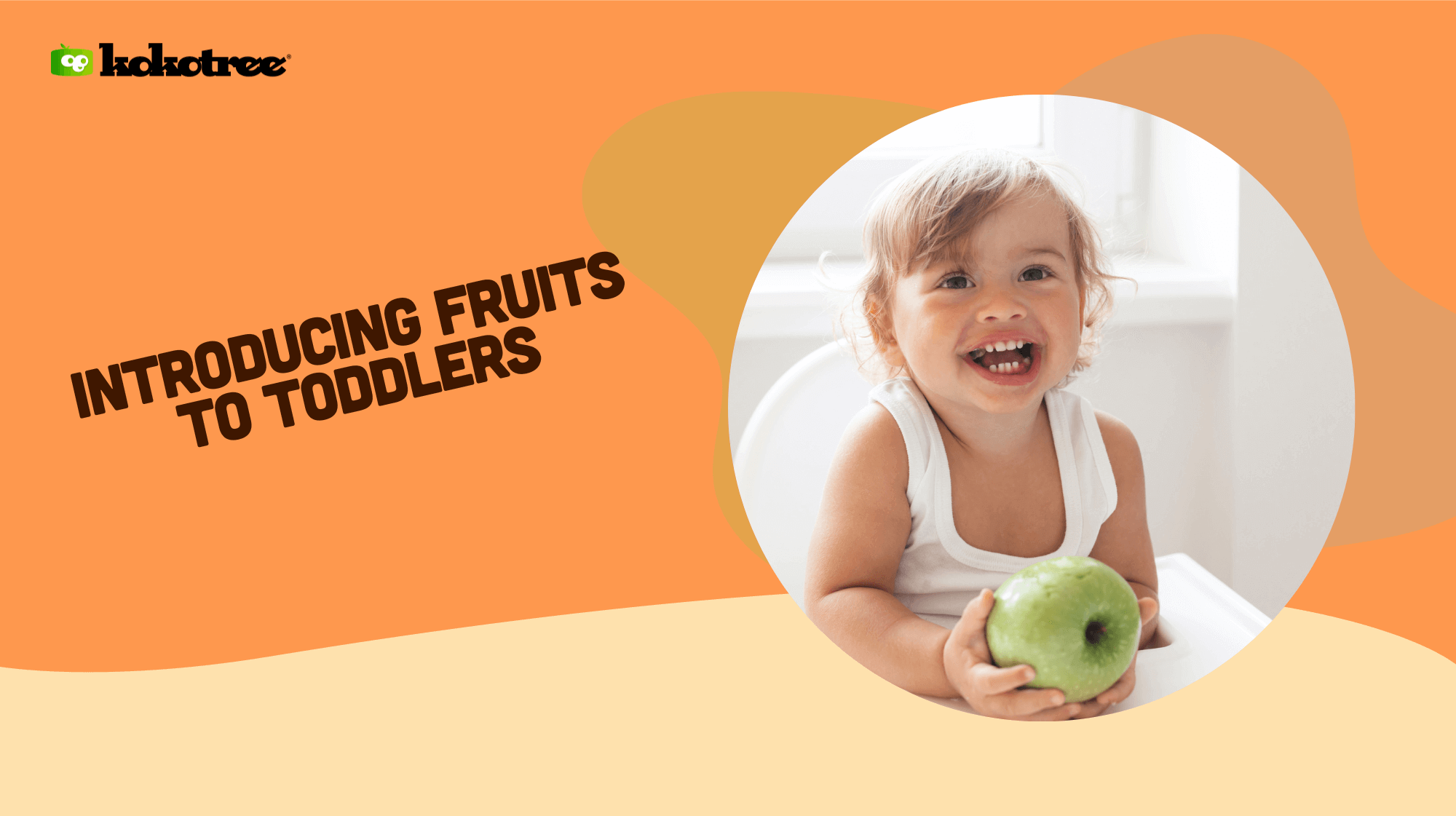
Welcoming your little one to the world of solid foods is such an exciting milestone, isn't it? But sometimes, figuring out where to start, especially with something as crucial as nutrition, can feel a bit overwhelming. How to Introduce Fruits to Toddlers is a common concern for parents, and rightfully so! It's more than just offering a piece of apple; it's about nurturing healthy eating habits from the get-go, which will influence their well-being and tastes for life. Imagine navigating that picky eater phase with ease simply because you laid a solid foundation early.
Introducing fruits to toddlers might seem straightforward, but there are definitely nuances to consider. Think about things like allergies, textures, and even presentation. Plus, every toddler is different! What works for one might not work for another, which can be frustrating. It's not just about shoving a banana in their face; it's about creating a positive and enjoyable experience around food. So, let's explore some great ways to start introducing fruits to your little ones.
The primary goal here is to equip you with the knowledge and confidence to make this introduction a success. We aim to provide practical tips and tricks, covering everything from selecting the right fruits to preparing them in appealing ways. We want to show you how to overcome potential challenges, such as dealing with fussy eaters or managing allergies. So, let’s dive in and make fruit a fun and welcomed part of your toddler's diet!
Essentially, how to introduce fruits to toddlers involves a blend of patience, creativity, and a bit of trial and error. It's about understanding your child's unique preferences and adapting your approach accordingly. By focusing on positive experiences and a variety of fruits, you can lay the groundwork for a lifetime of healthy eating habits. So buckle up, we're about to embark on this fruity adventure together!
When to Introduce Fruits
Introducing fruits to your toddler typically begins around 6 months of age , usually after they've started on some basic vegetables and cereals. The general recommendation is to wait until your baby can sit up with support, has good head control, and shows interest in food. However, every baby develops at their own pace, so it's best to consult with your pediatrician for personalized advice.
Signs Your Toddler is Ready
Before diving into the fruity world, make sure your little one is showing some key readiness signs:
Good Head Control: They can hold their head steady while sitting. Sitting Upright: They can sit with minimal support. Interest in Food: They watch you eat and may even try to grab food from your plate. Tongue-Thrust Reflex Diminishes: They don't automatically push food out of their mouth with their tongue. Opening Mouth for Spoon: They willingly open their mouth when you offer them food on a spoon.
Start Slow and Simple
Don’t rush things! Begin with single-ingredient purees. This helps you identify any potential allergies or sensitivities. Keep the portions small—a few teaspoons are plenty to start. Offer the fruit after they’ve had their usual milk or formula to avoid filling them up too much with solids.
Choosing the Right Fruits
Selecting the right fruits is essential to make the introduction process smooth and enjoyable. Some fruits are naturally sweeter and easier to digest, making them ideal first choices.
Best First Fruits
Here are some top picks for introducing to your toddler:
Bananas: Soft, easy to mash, and naturally sweet. Avocados: Yes, it's a fruit! Creamy texture and packed with healthy fats. Apples: Cooked and pureed until smooth. Pears: Similar to apples, but often milder in flavor. Peaches: Soft and sweet when ripe.
Fruits to Introduce Later
Once your toddler has tried the basics, you can gradually introduce more variety:
Berries: Blueberries, strawberries, and raspberries (ensure they are soft and cut into small pieces to avoid choking hazards). Mangoes: Sweet and creamy, but can be slightly acidic for some babies. Melons: Watermelon, cantaloupe, and honeydew. Citrus Fruits: Oranges and grapefruits (introduce these later due to their acidity).
Organic vs. Non-Organic
Choosing organic fruits can minimize your toddler's exposure to pesticides. If organic options are unavailable, thoroughly wash and peel non-organic fruits. The Environmental Working Group (EWG) releases a “Dirty Dozen” list each year, highlighting fruits and vegetables with the highest pesticide levels, which can help you prioritize your organic purchases.
Preparing Fruits for Toddlers
How you prepare fruits significantly impacts how well your toddler accepts them. Texture, size, and presentation all play crucial roles.
Purees
How to Make Them: Steam or bake fruits until soft. Then, blend them until smooth. You can add a little water, breast milk, or formula to achieve the desired consistency. Benefits: Easy for young babies to swallow and digest. Tips: Make sure the puree is completely smooth to avoid lumps that could cause gagging.
Mashed Fruits
How to Make Them: Use a fork to mash soft fruits like bananas, avocados, and ripe peaches. Benefits: Introduces a slightly thicker texture than purees. Tips: Ensure there are no large chunks that could be a choking hazard.
Soft Cooked Fruits
How to Make Them: Steam or boil fruits like apples and pears until they are soft enough to be easily squished. Benefits: A good way to introduce cooked fruits with a different texture. Tips: Cut into small, manageable pieces.
Finger Foods
How to Make Them: Once your toddler develops their pincer grasp (ability to pick up small objects with their thumb and forefinger), you can offer soft, bite-sized pieces of fruit. Benefits: Encourages self-feeding and develops fine motor skills. Tips: Always supervise your toddler while they are eating finger foods. Cut fruits like grapes and berries into quarters to prevent choking.
Presentation Matters
Make fruit appealing to your toddler by:
Using Colorful Plates and Bowls: Bright colors can make the food more inviting. Creating Fun Shapes: Use cookie cutters to make interesting shapes out of soft fruits. Serving with a Dip: Offer a small amount of plain yogurt or a fruit-based dip.
Addressing Common Concerns
Introducing new foods comes with its share of worries. Here are some solutions to common challenges.
Allergies
How to Identify: Introduce new fruits one at a time, waiting a few days between each new food. Watch for signs of an allergic reaction, such as rash, hives, swelling, vomiting, or diarrhea. Common Allergens: While fruit allergies are less common than other food allergies, some toddlers may react to citrus fruits or berries. When to Seek Medical Help: If you suspect your toddler is having an allergic reaction, consult your pediatrician immediately.
Gagging vs. Choking
Gagging: A normal reflex that helps prevent choking. Your toddler might cough or make a retching sound. Choking: A dangerous situation where the airway is blocked. Signs include difficulty breathing, inability to cough or speak, and turning blue. What to Do: Learn infant CPR and know how to perform the Heimlich maneuver on a baby.
Picky Eating
Offer Variety: Keep introducing different fruits, even if your toddler rejects them initially. Be Patient: It can take multiple tries for a toddler to accept a new food. Lead by Example: Let your toddler see you and other family members enjoying fruits. Make it Fun: Involve your toddler in the preparation process and let them choose which fruit they want to try.
Creative Ways to Incorporate Fruits
Getting your toddler to eat fruit doesn’t have to be a battle. Here are some fun and creative ideas.
Smoothies
Benefits: An easy way to pack in multiple fruits (and even some vegetables) in one serving. Recipe Ideas: Banana and berry smoothie: Banana, mixed berries, yogurt, and a splash of milk.
Green smoothie: Spinach, mango, banana, and coconut water.
Tropical smoothie: Pineapple, mango, banana, and orange juice.
Fruit Salad
Benefits: A colorful and refreshing way to introduce a variety of fruits. Tips: Cut fruits into small, manageable pieces and arrange them in an appealing way.
Fruit Puree Popsicles
Benefits: A refreshing treat that can soothe sore gums during teething. Recipe Ideas: Puree any combination of fruits and freeze in popsicle molds.
Fruit Kabobs
Benefits: A fun and interactive way to encourage eating fruits. Tips: Use soft fruits and cut them into small pieces. Ensure the skewers are safe and don't have sharp ends.
Incorporate into Other Foods
Add to Oatmeal or Yogurt: Top oatmeal or yogurt with diced fruits. Use as a Topping: Use fruit purees or diced fruits as a topping for pancakes or waffles. Blend into Sauces: Puree fruits like apples or berries and use them as a sauce for meats or vegetables.
Research and Expert Opinions
According to the American Academy of Pediatrics (AAP), starting solids, including fruits, around 6 months is generally safe and beneficial. Research shows that early introduction to a variety of flavors and textures can help prevent picky eating later in life [1]. A study published in the Journal of the American Dietetic Association found that children who were exposed to a wide range of fruits and vegetables during infancy were more likely to consume them as they grew older [2].
Pediatrician Advice
Always consult with your pediatrician before introducing solid foods, including fruits. They can provide personalized advice based on your baby's individual needs and health history.
Dietitian Recommendations
Registered dietitians often recommend focusing on whole fruits rather than fruit juices due to the higher fiber content and lower sugar levels in whole fruits. They also emphasize the importance of making mealtime a positive and enjoyable experience for both parents and toddlers.
FAQ Section
Navigating the world of toddler nutrition can bring up a lot of questions. Here are some frequently asked questions to help you on your way. Understanding how to introduce fruits to toddlers doesn't have to be a mystery.
General Questions
What if my toddler refuses to eat fruits?
Don't worry; it's perfectly normal for toddlers to be picky eaters. Keep offering fruits in different forms and presentations. Sometimes, it takes multiple exposures for a child to accept a new food.
How much fruit should my toddler eat each day?
The recommended daily intake of fruits varies depending on your toddler's age and activity level. As a general guideline, toddlers aged 1-3 years should aim for about 1-2 servings of fruit per day.
Can I give my toddler fruit juice?
Whole fruits are generally preferred over fruit juice due to their higher fiber content and lower sugar levels. If you do offer juice, limit it to small amounts (no more than 4 ounces per day) and choose 100% fruit juice.
Is it okay to give my toddler frozen fruits?
Yes, frozen fruits can be a convenient and nutritious option. Make sure to thaw them completely before serving, and cut them into small, manageable pieces.
Introduction Specific Questions
What's the best way to introduce fruits to toddlers with a family history of allergies?
If there's a family history of allergies, it's especially important to introduce new fruits one at a time, waiting a few days between each new food. This allows you to monitor for any allergic reactions. Consult with your pediatrician before introducing common allergens.
Can I mix fruits with other foods when introducing them?
Yes, you can mix fruits with other foods like cereals, yogurt, or vegetables to make them more appealing to your toddler. Just make sure to introduce each new food separately first to rule out any allergies.
What should I do if my toddler gags on fruits?
Gagging is a normal reflex, especially when toddlers are first learning to eat solid foods. It's usually not a cause for concern unless your toddler is having difficulty breathing or turning blue. Make sure the fruits are cut into small, manageable pieces and avoid giving your toddler large chunks of food.
Long-Term Habits
How can I encourage my toddler to develop healthy eating habits related to fruit?
Make fruits a regular part of your toddler's diet by offering them at meals and snacks. Lead by example by eating fruits yourself and making mealtime a positive and enjoyable experience. Involve your toddler in the preparation process by letting them help wash and cut fruits.
What are some common mistakes to avoid when introducing fruits to toddlers?
Avoid forcing your toddler to eat fruits, as this can create negative associations with food. Don't use fruits as a reward or punishment, as this can also lead to unhealthy eating habits. Be patient and persistent, and remember that it takes time for toddlers to develop their preferences.
Embracing the Fruity Journey
Introducing fruits to your toddler is a journey filled with both excitement and challenges. While figuring out how to introduce fruits to toddlers , remember that patience, persistence, and a positive attitude are your best allies. Embrace the mess, celebrate the small victories, and enjoy watching your little one discover the delicious and nutritious world of fruits. By following these tips and guidelines, you can set your toddler up for a lifetime of healthy eating habits. Ultimately, it’s about creating positive experiences around food and nurturing a love for fruits from an early age.
References:
[1] American Academy of Pediatrics. (2023). Starting Solid Foods . Retrieved from https://www.healthychildren.org/English/ages-stages/baby/feeding-nutrition/Pages/Starting-Solid-Foods.aspx
[2] Mennella, J. A., et al. (2008). The Influence of Experience on Acceptance of Flavors and Foods in Infancy. Journal of the American Dietetic Association , 108 (1 Suppl 1), S51-S64.