
Watermelon: Your Delicious Secret Weapon for Hydration and Muscle Recovery
Okay, so I've always been pretty skeptical about those "miracle food" claims. You know, the ones that promise instant energy, perfect skin, and a body that looks like it was sculpted by Michelangelo. But lately, I've been pushing myself harder at the gym, and the post-workout aches werekillingme. I stumbled across a few articles raving aboutwatermelon for hydration and muscle recovery, and honestly, I was intrigued. Could something so sweet and refreshingreallymake a difference? This article explores the amazing benefits of watermelon for hydration and muscle recovery, including how its nutrient profile helps improve hydration status and reduce muscle soreness post-workout. We’ll also explore some delicious ways to incorporate more watermelon into your diet. Time to see if this juicy fruit is more than just a summer treat!
{getToc} $title={Table of Contents} $count={Boolean}Why Watermelon for Post-Workout Bliss?
The idea of relying onwatermelon for hydration and muscle recovery seemed almost too good to be true. I mean, it’s mostly water, right? But digging a little deeper, I discovered that it's so much more. We all know that water is key for hydration, particularly after exercise to replenish lost fluids, but watermelon has the edge. After a particularly grueling leg day, the thought of chugging another protein shake made me want to run for the hills. Watermelon, on the other hand, sounded incredibly appealing.
The Science Behind the Sweetness
It turns outwatermelon isn't just a sweet treat, it's actually packed with nutrients. Here's a quick rundown of why it's considered a great addition to your post-workout routine: Water Content: Obvious, but important! Watermelon is about 92% water, making it incredibly hydrating. This is crucial for replenishing fluids lost through sweat during exercise. Electrolytes: It contains electrolytes like potassium and magnesium, which are vital for muscle function and preventing cramps. Electrolytes lost during sweating need to be replenished in order to maintain normal cellular function. L-Citrulline: This amino acid has been linked to reduced muscle soreness and improved blood flow. This was the kicker for me – less soreness? Sign me up! Several studies have shown that citrulline can help reduce muscle soreness and improve exercise performance. For example, a study published in the Journal of Agricultural and Food Chemistryfound that watermelon juice supplementation reduced muscle soreness after exercise. Antioxidants: Watermelon is a good source of antioxidants like vitamin C and lycopene, which can help reduce inflammation and muscle damage. Free radicals produced during exercise can lead to oxidative stress and inflammation, and antioxidants help neutralize these free radicals.
My Watermelon Recovery Experiment
Armed with this newfound knowledge, I decided to putwatermelon for hydration and muscle recovery to the test. I bought a huge watermelon (seriously, it barely fit in my fridge!), and committed to eating a few slices after every workout for a week.
The First Few Days: A Little Skeptical
The first couple of days were… uneventful. The watermelon tasted great, of course, but I didn't notice any dramatic difference in my recovery. I was a little disappointed, but figured it was too early to judge. I still felt the usual post-workout aches and stiffness. The flavor was a definite plus compared to downing yet another protein shake, but my sore muscles were still sore.
The Breakthrough: Day 4
Around day four, I started to notice a change. My muscles felt less tight and sore the morning after my workout. I woke up feelingalmostenergetic (which is a big deal for me, a chronic snooze-button enthusiast). The feeling was slight, but enough for me to notice. I actually felt like I could go harder at my workout. Maybe this watermelon thing was actually working.
The Full Week: Converted!
By the end of the week, I was a believer. While I still had some muscle soreness, it was noticeably less intense and shorter in duration. I also felt more hydrated overall, and my energy levels were higher. I even noticed a slight decrease in post-workout fatigue. Turns out, eatingwatermelon for hydration and muscle recovery was pretty beneficial. It also made me feel better about eating something sweet after a workout!
Delicious Ways to Enjoy Watermelon for Hydration
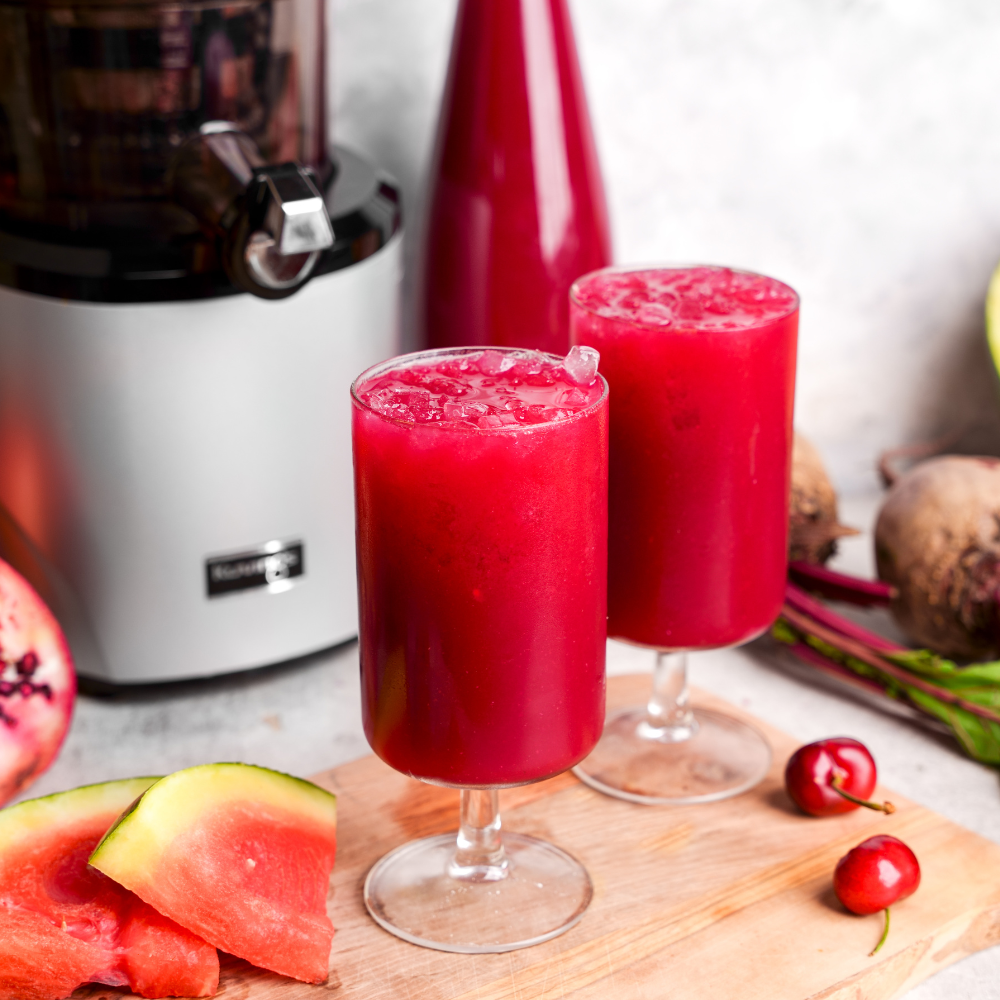
So, I am now officially on team watermelon for fitness. Here are some delicious and fun ways to incorporatewatermelon for hydration and muscle recovery into your diet: Simply Sliced: Classic and refreshing. Nothing beats a juicy slice of watermelon on a hot day. Watermelon Smoothie: Blend watermelon with some ice, a squeeze of lime, and a handful of mint for a super hydrating and flavorful smoothie. I've found adding a little ginger gives it a great zing. Watermelon Salad: Combine cubed watermelon with feta cheese, red onion, and balsamic glaze for a sweet and savory salad. Watermelon Juice: Juice fresh watermelon for a concentrated dose of hydration and nutrients. Frozen Watermelon Cubes: Blend frozen watermelon cubes for a healthy sorbet. This is my go-to summer treat!
FAQ: Watermelon for Hydration and Muscle Recovery
Here are some frequently asked questions about usingwatermelon for hydration and muscle recovery:
Q: How much watermelon should I eat for muscle recovery?
A: A few slices after a workout should be enough to provide the benefits. There is no one-size-fits-all recommendation, but consuming roughly 1-2 cups of cubedwatermelon for hydration and muscle recovery is a good starting point.
Q: When should I eat watermelon after a workout?
A: Ideally, consume it within an hour or two of finishing your workout to maximize its recovery benefits. Early replenishment of fluids and nutrients is key for
Q: Can watermelon replace electrolyte drinks?
A: While watermelon contains electrolytes, it doesn't have as high a concentration as some sports drinks. However, it's a great natural option for mild to moderate hydration.
Q: Are there any side effects of eating too much watermelon?
A: Eating excessive amounts of watermelon can lead to digestive issues due to its high fiber content. However, this is rare. Moderate consumption of
Q: Is watermelon good for weight loss?
A: Yes! It is low in calories and high in water, making it a filling and healthy snack.
Conclusion: My Verdict on Watermelon
Honestly, I was pleasantly surprised by the impact of*watermelon for hydration and muscle recovery. It's not a magical cure-all, but it's definitely a delicious and effective way to support your post-workout recovery. I can now confidently say that the claims about this fruit are true! My muscles felt better, my energy levels were up, and I was actuallyenjoyingmy post-workout routine. Plus, it's a much healthier and more natural alternative to many processed sports drinks and supplements.
The biggest lesson I learned is to be open to trying new things, even if they seem a little too good to be true. Sometimes, the simplest solutions are the most effective. And who knew that something as simple as eatingwatermelon for hydration and muscle recovery could make such a difference? I'm definitely adding it to my regular workout routine. Time to stock up!