
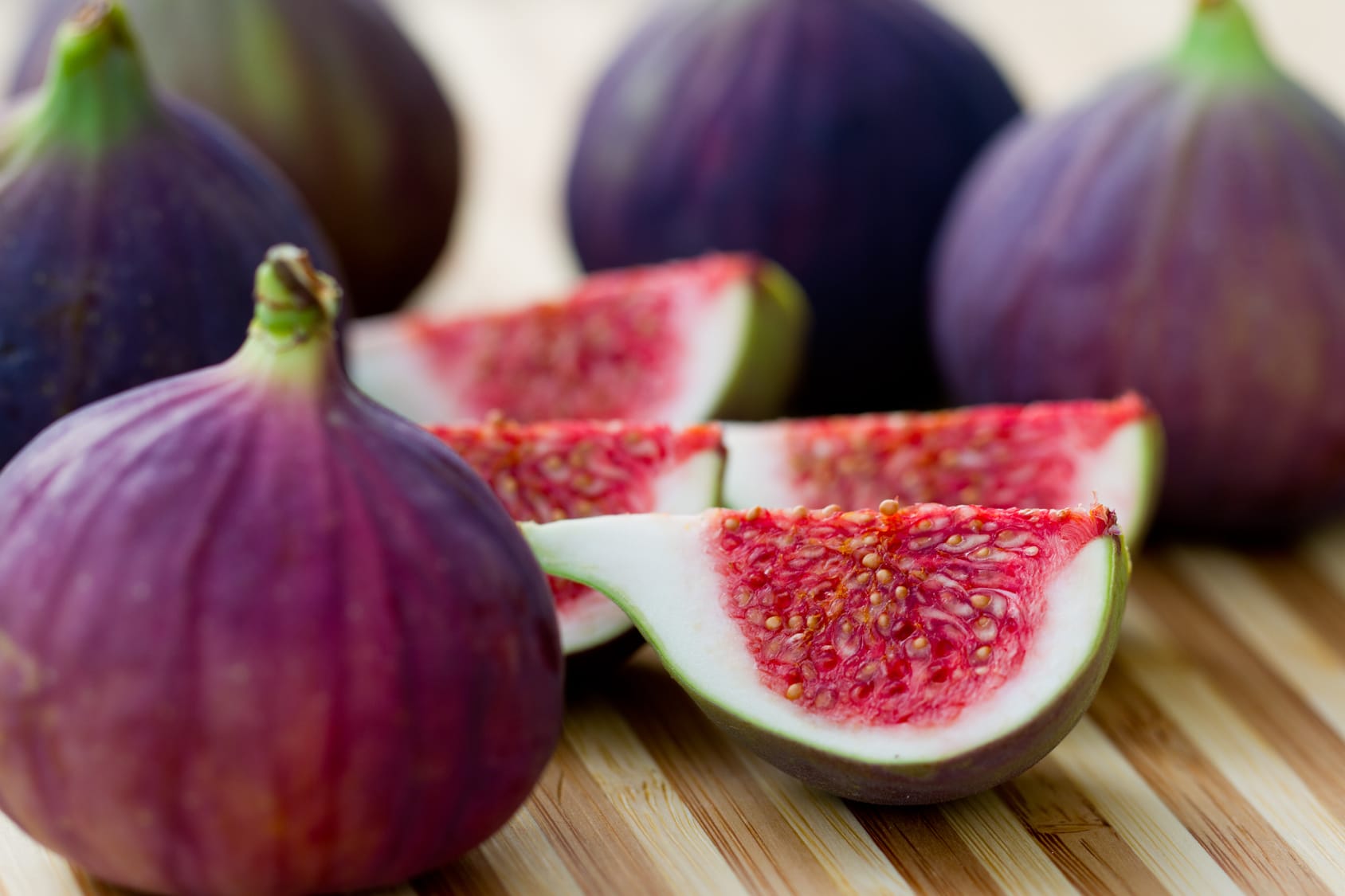
Figs, those teardrop-shaped fruits with their chewy texture and subtle sweetness, often get overlooked in the world of kid-friendly snacks. We are going to explore Fig Fun: Introducing Figs in Kid-Friendly Ways . But are they really that unappealing to younger palates? Not at all! With a little creativity, figs can be transformed into delightful treats that even the pickiest eaters will enjoy. This blog post is all about making figs fun and accessible for kids. They are packed with fiber, vitamins, and minerals, making them a healthy and delicious addition to any child's diet and are so versatile!
We'll delve into easy fig recipes that kids can help make, fun fig-themed activities, and tips for addressing common kid-related concerns about trying new foods. Get ready to see figs in a whole new light – a light that's bright, playful, and irresistibly delicious! Let's be real, convincing kids to eat healthy food can feel like a constant battle. Whether it's hiding vegetables in smoothies or cutting fruit into fun shapes, parents are always on the lookout for creative ways to sneak in those essential nutrients. Figs might not be the first thing that comes to mind when you think of kid-friendly snacks. The mission? Transforming these underrated fruits into a must-have for little ones.
Our mission is to provide you with a toolkit of ideas to successfully introduce figs to your children. We want to show you how to navigate the common hurdles, like texture aversion or unfamiliar flavors. By the end of this post, you'll have a treasure trove of recipes, activities, and strategies to make figs a fun and healthy part of your child's diet.
So, stick around as we unlock the secrets to Fig Fun: Introducing Figs in Kid-Friendly Ways . Are you ready to embrace the figgy adventure?
Fig Fun: Recipe Ideas for Picky Eaters
Fig and Peanut Butter Bites
Okay, let's kick things off with a super simple recipe that even the littlest hands can help with. These Fig and Peanut Butter Bites are a winner because they combine the familiar taste of peanut butter with the subtle sweetness of figs. And who doesn't love peanut butter? (Of course, substitute with sunbutter or another nut-free alternative if allergies are a concern).
Ingredients: 1 cup dried figs, stems removed 1/2 cup peanut butter (or sunbutter) 1/4 cup rolled oats Optional: chocolate chips, shredded coconut, chopped nuts (if no allergies)
Instructions:
1. Pulse the figs in a food processor until finely chopped.
2. Add the peanut butter and rolled oats and process until well combined.
3. Stir in any optional ingredients.
4. Roll the mixture into small balls.
5. Refrigerate for at least 30 minutes before serving.
Why this works: The peanut butter masks the fig's unique texture, making it more palatable for kids who are sensitive to new sensations. The oats add a bit of chewiness and extra fiber.
Fig Newtons, But Better (and Healthier!)
Remember those classic Fig Newtons from your childhood? We're going to create a healthier, homemade version that's just as delicious.
Ingredients: For the filling:
1 cup dried figs, stems removed
1/4 cup water
1 tablespoon lemon juice
1/4 teaspoon cinnamon For the dough:
1 1/2 cups whole wheat flour
1/4 cup rolled oats
1/4 cup brown sugar
1/2 teaspoon baking powder
1/4 teaspoon salt
1/2 cup unsalted butter, cold and cubed
1/4 cup milk
Instructions:
1. Make the filling: Combine the figs, water, lemon juice, and cinnamon in a saucepan. Bring to a simmer over medium heat, then reduce heat and cook for 10-15 minutes, or until the figs are soft and the mixture has thickened. Let cool completely.
2. Make the dough: In a large bowl, whisk together the flour, oats, brown sugar, baking powder, and salt. Cut in the butter using a pastry blender or your fingers until the mixture resembles coarse crumbs.
3. Add the milk and stir until the dough comes together.
4. Divide the dough in half. On a lightly floured surface, roll out one half into a rectangle.
5. Spread half of the fig filling down the center of the rectangle.
6. Fold the sides of the dough over the filling, overlapping slightly.
7. Repeat with the remaining dough and filling.
8. Cut each log into individual cookies.
9. Bake at 350°F (175°C) for 15-20 minutes, or until golden brown.
Why this works: This recipe offers a familiar format that kids already recognize and enjoy. The homemade version is healthier and allows you to control the ingredients.
Fig Smoothies
Smoothies are a fantastic way to sneak in all sorts of healthy ingredients. Adding figs to a smoothie adds natural sweetness and a boost of fiber.
Ingredients: 1/2 cup frozen fruit (berries, banana, mango) 1 fresh or dried fig, stem removed 1/2 cup milk (dairy or non-dairy) 1/4 cup yogurt (optional) 1 tablespoon chia seeds (optional, for extra fiber) Honey or maple syrup to taste (if needed)
Instructions:
1. Combine all ingredients in a blender.
2. Blend until smooth.
3. Add more liquid if needed to reach desired consistency.
Why this works: The strong flavors of the other fruits mask the fig's unique taste, making it a great entry point for fig newbies.
Making Figs Fun: Activities and Games
Fig Art
Get creative with figs! Use them as a natural stamp by cutting them in half and dipping them in paint. Kids can create all sorts of fun patterns and designs. This also helps them get comfortable handling and exploring figs in a non-pressure way.
Fig Tasting Party
Turn trying figs into a fun tasting adventure. Offer different varieties of figs (fresh, dried, different colors) and let kids rate them on a scale of 1 to 5. Talk about the different flavors and textures. You can even create a little scorecard for them to fill out.
Fig-Themed Story Time
Find children's books that feature figs or create your own fig-themed story. Reading about figs in a fun and engaging way can spark curiosity and interest.
Plant a Fig Tree (or a Fig Seed!)
If you live in a suitable climate, planting a fig tree can be a rewarding experience. If not, try planting a fig seed in a pot and watching it grow. This can help kids understand where their food comes from and appreciate the natural world.
Addressing Common Concerns
"I Don't Like the Texture"
Texture aversion is a common issue with kids. Here are some tips:
Start small: Introduce figs in small pieces or mixed with other familiar textures. Puree it: As mentioned above, smoothies are a great way to disguise the texture. Cook it: Cooking figs can soften their texture. Try baking them in a dessert or adding them to a sauce. Pair it: Combine figs with textures your child enjoys, like crunchy granola or creamy yogurt.
"It Looks Weird"
Presentation matters!
Cut it up: Cut figs into fun shapes or small pieces. Make it colorful: Combine figs with other colorful fruits and vegetables. Get them involved: Let kids help prepare the figs. They're more likely to try something they helped make.
"I Don't Like the Taste"
Taste preferences vary greatly.
Start with dried figs: Dried figs are often sweeter and milder in flavor than fresh figs. Pair with complementary flavors: Figs go well with cheese, nuts, honey, and cinnamon. Don't force it: If your child doesn't like figs at first, don't give up. Keep offering them in different ways and eventually, they might come around.
FAQ About Figs and Kids
Are figs healthy for kids?
Absolutely! Fig Fun: Introducing Figs in Kid-Friendly Ways is also about introducing good nutrition. Figs are packed with fiber, which aids digestion and helps kids feel full longer. They're also a good source of potassium, calcium, and magnesium, all essential minerals for growing bodies.
Are figs a good source of fiber for kids?
Yes, figs are an excellent source of dietary fiber. Fiber is important for maintaining healthy digestion and preventing constipation in children. Including fiber-rich foods like figs in your child's diet can contribute to their overall well-being.
Can kids be allergic to figs?
While fig allergies are not as common as other food allergies (like peanuts or milk), they are possible. If your child has known food allergies or sensitivities, it's always a good idea to introduce figs gradually and watch for any signs of an allergic reaction, such as hives, itching, swelling, or difficulty breathing. Consult with your pediatrician or an allergist if you have any concerns.
How many figs should a child eat per day?
The appropriate serving size of figs for a child depends on their age and overall diet. A good starting point is 1-2 dried figs or 2-3 fresh figs per day. However, it's important to consider your child's individual needs and consult with a healthcare professional or registered dietitian for personalized recommendations.
Can figs help with constipation in children?
Yes, figs can be a natural remedy for constipation in children due to their high fiber content. Fiber helps add bulk to the stool and promotes regular bowel movements. You can offer figs as a snack or incorporate them into your child's meals to help relieve constipation. However, it's essential to ensure your child also drinks plenty of water to help the fiber work effectively.
What are some fun ways to serve figs to kids?
Beyond the recipes mentioned earlier, here are a few more ideas for serving figs to kids in a fun and appealing way:
Fig and cheese skewers: Thread small pieces of figs and cheese onto skewers for a colorful and tasty snack. Fig jam sandwiches: Use fig jam as a spread for sandwiches instead of traditional jelly or jam. Fig and yogurt parfaits: Layer yogurt, granola, and chopped figs in a glass for a healthy and delicious parfait. Fig pizza: Use fig jam as a base for a sweet and savory pizza topping, along with cheese and other favorite ingredients.
Can I use fresh or dried figs for these recipes?
Both fresh and dried figs can be used in most of these recipes, but there are a few things to keep in mind:
Fresh figs: Fresh figs have a softer texture and a more delicate flavor than dried figs. They are best enjoyed when they are ripe and in season. Dried figs: Dried figs have a chewier texture and a more concentrated sweetness. They are available year-round and are a convenient option for baking and snacking.
When substituting fresh figs for dried figs (or vice versa), you may need to adjust the amount of liquid in the recipe. Dried figs absorb more liquid than fresh figs, so you may need to add more liquid if using dried figs. Conversely, you may need to reduce the amount of liquid if using fresh figs.
Where can I buy figs?
Fresh figs are typically available during the late summer and early fall. You can find them at farmers' markets, grocery stores, and specialty food stores. Dried figs are available year-round in the dried fruit section of most grocery stores.
How should I store figs?
Fresh figs should be stored in the refrigerator and used within a few days. Dried figs should be stored in an airtight container in a cool, dry place. They can last for several months if stored properly.
My child refuses to try anything new. How can I encourage them to try figs?
It's common for children to be hesitant about trying new foods. Here are some strategies to encourage your child to try figs:
Be patient: It may take multiple exposures before your child is willing to try figs. Don't give up after the first attempt. Offer small portions: Start with a small piece of fig and let your child decide if they want more. Make it fun: As we've discussed throughout this post, make eating figs a fun and engaging experience. Lead by example: If your child sees you enjoying figs, they may be more likely to try them themselves. Don't pressure them: Pressuring your child to eat figs can backfire and make them even more resistant.
Remember, the goal is to create a positive and relaxed environment around food. By being patient, creative, and supportive, you can help your child develop a healthy relationship with food and explore new flavors, including the wonderful world of figs!
Introducing figs to kids doesn't have to be a daunting task. By using creative recipes, fun activities, and addressing common concerns, you can transform these nutritious fruits into a kid-friendly favorite. Fig Fun: Introducing Figs in Kid-Friendly Ways is all about making the experience positive and enjoyable for both you and your children. By experimenting with these ideas, you can unlock a world of flavor and nutrition that your kids will love. With a little patience and creativity, you can transform figs from a foreign fruit into a beloved snack.