
Ever stumbled upon a fruit that smells like a tropical vacation and tastes like a blend of pineapple, guava, and mint? That's feijoa for you! Feijoa sellowiana , also known as pineapple guava , is a unique and intriguing fruit packed with flavor and health benefits. This subtropical delight isn't just a treat for your taste buds; it's also a nutritional powerhouse, brimming with protective compounds. This guide delves into the world of feijoa, exploring its aromatic charm, nutritional value, and culinary uses. Discover why this fruit deserves a spot in your diet and how to make the most of its unique properties.
Feijoa's appeal lies in its complex flavor profile, making it a versatile ingredient for both sweet and savory dishes. Beyond its culinary applications, feijoa boasts a remarkable nutritional profile, offering a rich source of vitamin C, antioxidants, and dietary fiber. Exploring the origins and cultivation of feijoa provides valuable insights into its adaptability and growing popularity worldwide. Understanding the science behind its health benefits further solidifies feijoa's position as a valuable addition to a healthy lifestyle.
So, why should you care about feijoa? Well, aside from its delightful taste, this fruit offers a convenient way to boost your antioxidant intake and support overall well-being. Whether you're a seasoned foodie or simply looking for new ways to improve your diet, feijoa presents a compelling option. Its unique flavor and impressive nutritional profile make it a standout among other fruits. Ready to explore the world of feijoa? Let's dive in!
Ultimately, understanding the multifaceted nature of Feijoa (Pineapple Guava): Aromatic and Rich in Protective Compounds allows you to appreciate its true value. From its distinctive fragrance and flavor to its potential health benefits, feijoa offers a compelling package. By incorporating this fruit into your diet, you can enjoy a delicious and nutritious addition to your meals. With its increasing availability and versatile uses, feijoa is poised to become a favorite among health-conscious consumers and adventurous foodies alike.
What is Feijoa (Pineapple Guava)?
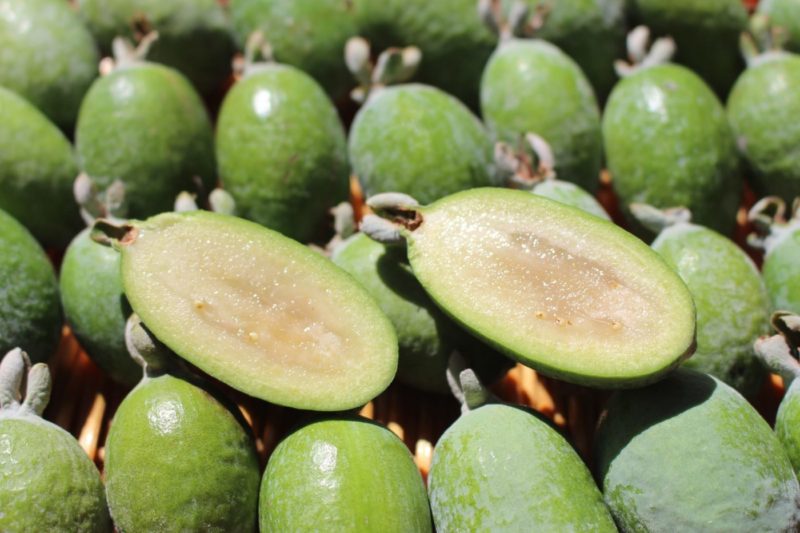
Feijoa, scientifically known as Feijoa sellowiana , is a small evergreen tree or shrub native to South America, specifically parts of Brazil, Paraguay, Uruguay, and Argentina. While often called "pineapple guava," it's not a true guava, although it's related. The fruit itself is oval-shaped, about the size of a chicken egg, with a dull green skin that may have a reddish blush.
Aromatic and Flavorful: The Sensory Experience
The real magic of feijoa happens when you cut it open. The aroma is intensely fragrant, often described as a blend of pineapple, guava, strawberry, and even hints of mint. The flesh is creamy white to slightly granular near the center, and it has a unique, slightly gritty texture.
The taste is just as complex as the aroma. It's sweet, tart, and slightly acidic, with a tropical fruitiness that’s hard to pin down. Some people describe it as a combination of pineapple, guava, quince, and even a touch of mint. The flavor intensity varies depending on the ripeness of the fruit.
History and Cultivation
Feijoa was first introduced to Europe in the late 19th century and quickly gained popularity as an ornamental plant and fruit tree. It thrives in subtropical and temperate climates, making it well-suited to regions like California, New Zealand, and parts of Europe. New Zealand is one of the largest commercial producers of feijoa.
Feijoa trees are relatively easy to grow, tolerating a range of soil types and requiring minimal pruning. They are also relatively pest and disease-resistant. Interestingly, feijoa trees require cross-pollination to produce fruit, so planting two or more different varieties is recommended.
Nutritional Powerhouse: Protective Compounds in Feijoa
Feijoa (Pineapple Guava): Aromatic and Rich in Protective Compounds isn't just a delicious fruit; it's also a nutritional powerhouse, packed with vitamins, minerals, and antioxidants that contribute to overall health and well-being. Let's take a closer look at its key nutritional components:
Vitamin C: Boosting Immunity
Feijoa is an excellent source of vitamin C, a powerful antioxidant that supports the immune system. Vitamin C helps protect the body against infections, promotes wound healing, and contributes to collagen production for healthy skin. A single serving of feijoa can provide a significant portion of your daily vitamin C needs.
Antioxidants: Fighting Free Radicals
Feijoa is rich in various antioxidants, including flavonoids, phenolic compounds, and tannins. These antioxidants help protect cells from damage caused by free radicals, unstable molecules that can contribute to chronic diseases like heart disease, cancer, and Alzheimer's disease. Studies have shown that feijoa extracts exhibit strong antioxidant activity.
Dietary Fiber: Promoting Digestive Health
Feijoa is a good source of dietary fiber, which is essential for maintaining a healthy digestive system. Fiber helps regulate bowel movements, prevent constipation, and promote the growth of beneficial gut bacteria. It also contributes to feelings of fullness, which can aid in weight management.
Minerals: Essential for Body Functions
Feijoa contains several essential minerals, including iodine, potassium, and manganese. Iodine is crucial for thyroid function, potassium helps regulate blood pressure, and manganese plays a role in bone health and metabolism.
Other Beneficial Compounds
Beyond vitamins, minerals, and antioxidants, feijoa also contains other beneficial compounds, such as:
Folic acid: Important for cell growth and development, especially during pregnancy. Ellagic acid: A polyphenol with antioxidant and anti-inflammatory properties. Leucoanthocyanins: A type of flavonoid with potential anti-cancer effects.
Consuming Feijoa (Pineapple Guava): Aromatic and Rich in Protective Compounds can be a delicious and convenient way to boost your intake of these essential nutrients and protect your body against various health challenges.
Culinary Delights: How to Enjoy Feijoa
The unique flavor and texture of feijoa make it a versatile ingredient in the kitchen. From fresh preparations to cooked dishes, there are endless ways to enjoy this aromatic fruit.
Eating Feijoa Fresh
The simplest way to enjoy feijoa is to eat it fresh. Ripe feijoas are soft to the touch and have a strong, fragrant aroma. To eat it, simply cut the fruit in half and scoop out the flesh with a spoon. You can also peel the fruit and eat it whole, but the skin can be slightly bitter.
Feijoa in Salads
Feijoa adds a refreshing and tropical twist to salads. Dice the feijoa and combine it with greens, nuts, cheese, and a light vinaigrette. Its sweet and tart flavor pairs well with savory ingredients.
Feijoa Smoothies and Juices
Feijoa makes a delicious and nutritious addition to smoothies and juices. Blend it with other fruits, yogurt, and ice for a refreshing and healthy beverage. Its unique flavor complements other tropical fruits like pineapple and mango.
Feijoa Jams, Jellies, and Chutneys
Feijoa is a popular ingredient for homemade jams, jellies, and chutneys. Its high pectin content makes it easy to achieve a good set. Combine it with sugar, lemon juice, and spices for a flavorful and aromatic preserve.
Feijoa Baked Goods
Feijoa can be used in a variety of baked goods, such as muffins, cakes, and pies. Its moist texture and unique flavor add a delicious twist to traditional recipes. You can also use feijoa as a filling for tarts and pastries.
Feijoa Savory Dishes
While often used in sweet dishes, feijoa can also be incorporated into savory dishes. It pairs well with meats like pork and chicken, adding a sweet and tangy flavor to sauces and marinades.
Feijoa Ice Cream and Desserts
Feijoa is a fantastic addition to ice cream, sorbet, and other desserts. Its unique flavor and texture create a refreshing and exotic treat. You can also use it to make feijoa crumble or feijoa fool.
Tips for Using Feijoa
Choose ripe feijoas: Look for fruits that are soft to the touch and have a strong aroma. Store feijoas properly: Ripe feijoas can be stored in the refrigerator for a few days. Use feijoa pulp quickly: Once cut, feijoa pulp tends to brown quickly, so use it immediately or add lemon juice to prevent oxidation. Experiment with different recipes: Don't be afraid to try new and creative ways to use feijoa in your cooking.
Growing Your Own Feijoa
If you live in a suitable climate, growing your own feijoa can be a rewarding experience. Feijoa trees are relatively easy to grow and care for, and they produce a bountiful crop of delicious fruit.
Climate and Location
Feijoa trees thrive in subtropical and temperate climates with mild winters and warm summers. They can tolerate temperatures down to about 15°F (-9°C) but prefer temperatures above 20°F (-7°C). Choose a location that receives full sun or partial shade and is sheltered from strong winds.
Soil and Planting
Feijoa trees are adaptable to a range of soil types, but they prefer well-drained soil with a pH between 6.0 and 7.0. Before planting, amend the soil with compost or other organic matter to improve drainage and fertility. Plant feijoa trees in the spring or fall.
Watering and Fertilizing
Water feijoa trees regularly, especially during dry periods. Avoid overwatering, as this can lead to root rot. Fertilize feijoa trees in the spring with a balanced fertilizer.
Pruning
Prune feijoa trees annually to maintain their shape and encourage fruit production. Remove any dead, damaged, or crossing branches. You can also prune to control the size of the tree.
Pollination
Feijoa trees require cross-pollination to produce fruit. This means that you need to plant two or more different varieties of feijoa trees to ensure good fruit set. You can also hand-pollinate the flowers if necessary.
Pests and Diseases
Feijoa trees are relatively pest and disease-resistant. However, they can be susceptible to certain pests, such as aphids and scale insects. Treat any infestations promptly with insecticidal soap or other appropriate treatments.
Harvesting
Feijoa fruits are typically harvested in the fall. They are ripe when they are soft to the touch and have a strong aroma. You can either pick the fruits from the tree or collect them from the ground after they have fallen.
Feijoa Varieties
While all feijoas share a similar flavor profile, different varieties offer subtle nuances in taste, size, and ripening time. Exploring the different varieties allows you to choose the ones that best suit your preferences and growing conditions.
Coolidge
'Coolidge' is one of the most popular feijoa varieties, known for its reliable fruit production and good flavor. It's a self-fertile variety, meaning it can produce fruit without cross-pollination, although fruit set is often improved with another variety nearby. The fruits are medium-sized with a smooth, green skin and a sweet, slightly tart flavor.
Triumph
'Triumph' is another widely grown feijoa variety, known for its large, flavorful fruits. It requires cross-pollination to produce fruit, so planting it with another variety like 'Coolidge' is recommended. The fruits are oval-shaped with a slightly rough skin and a sweet, aromatic flavor.
Unique
'Unique' is a self-fertile feijoa variety that produces early-ripening fruits. The fruits are small to medium-sized with a smooth, green skin and a sweet, slightly acidic flavor. It's a good choice for gardeners who want to harvest feijoas earlier in the season.
Mammoth
As the name suggests, 'Mammoth' produces large feijoa fruits. It requires cross-pollination to produce fruit, so planting it with another variety is recommended. The fruits have a slightly rough skin and a sweet, aromatic flavor.
Gemini
'Gemini' is a relatively new feijoa variety that is known for its high fruit yield and disease resistance. It requires cross-pollination to produce fruit. The fruits are medium-sized with a smooth, green skin and a sweet, slightly tart flavor.
Other Varieties
In addition to the varieties listed above, there are many other feijoa varieties available, each with its own unique characteristics. Some other popular varieties include 'Nazemetz,' 'Pineapple Guava Seedling,' and 'Besson.'
When choosing a feijoa variety, consider factors such as fruit size, flavor, ripening time, and pollination requirements. It's also a good idea to consult with your local nursery or extension service to determine which varieties are best suited to your climate and growing conditions.
FAQ About Feijoa (Pineapple Guava): Aromatic and Rich in Protective Compounds
Still curious about this unique fruit? Here are some frequently asked questions about feijoa:
What does feijoa taste like?
Feijoa has a complex and unique flavor that is often described as a combination of pineapple, guava, strawberry, and mint. It's sweet, tart, and slightly acidic, with a tropical fruitiness that’s hard to pin down.
How do you know when a feijoa is ripe?
Ripe feijoas are soft to the touch and have a strong, fragrant aroma. You can also gently squeeze the fruit to test its ripeness. If it gives slightly, it's ready to eat.
Can you eat the skin of a feijoa?
Yes, you can eat the skin of a feijoa, but it can be slightly bitter. Some people prefer to peel the fruit or scoop out the flesh with a spoon to avoid the skin.
Are feijoas good for you?
Yes, feijoas are packed with vitamins, minerals, and antioxidants that contribute to overall health and well-being. They are an excellent source of vitamin C, dietary fiber, and other beneficial compounds. That makes Feijoa (Pineapple Guava): Aromatic and Rich in Protective Compounds a great addition to any diet.
Where can you buy feijoas?
Feijoas are typically available in the fall and winter months. You can find them at farmers' markets, specialty grocery stores, and some supermarkets. They are more common in regions where they are grown, such as California and New Zealand.
Can you freeze feijoas?
Yes, you can freeze feijoas for later use. To freeze them, simply cut the fruit in half, scoop out the flesh, and place it in a freezer-safe container. You can also freeze feijoa puree or juice.
Are feijoa trees easy to grow?
Feijoa trees are relatively easy to grow in suitable climates. They are adaptable to a range of soil types and require minimal pruning. However, they do require cross-pollination to produce fruit, so planting two or more different varieties is recommended.
What are some creative ways to use feijoa?
Feijoa can be used in a variety of dishes, both sweet and savory. Try adding it to salads, smoothies, jams, jellies, baked goods, and even savory sauces and marinades. The possibilities are endless!
Can feijoa help with weight loss?
Feijoa is relatively low in calories and high in fiber, which can help you feel full and satisfied. This can contribute to weight management when combined with a healthy diet and exercise.
Does feijoa have any side effects?
Feijoa is generally safe to consume, but some people may be allergic to it. If you experience any allergic symptoms after eating feijoa, such as itching, swelling, or difficulty breathing, discontinue use and consult with a doctor.
Can I eat Feijoa everyday?
Yes, you can eat feijoa everyday as long as you are not allergic to it. Feijoa provides nutrients that can promote good health.
Conclusion: Embrace the Aromatic and Nutritious Feijoa
Feijoa (Pineapple Guava): Aromatic and Rich in Protective Compounds is truly a remarkable fruit. Its unique flavor, fragrant aroma, and impressive nutritional profile make it a standout among other fruits. From its origins in South America to its growing popularity worldwide, feijoa has captured the attention of food enthusiasts and health-conscious consumers alike.
Whether you're enjoying it fresh, adding it to your favorite recipes, or growing your own feijoa tree, this versatile fruit offers a wealth of culinary and nutritional benefits. Its rich content of vitamin C, antioxidants, and dietary fiber makes it a valuable addition to a healthy diet.
So, the next time you come across feijoa, don't hesitate to give it a try. Embrace its aromatic charm and discover the many ways to enjoy this delicious and nutritious fruit. You might just find your new favorite flavor! Explore the unique world of Feijoa (Pineapple Guava): Aromatic and Rich in Protective Compounds and experience its delightful taste and health benefits firsthand.