
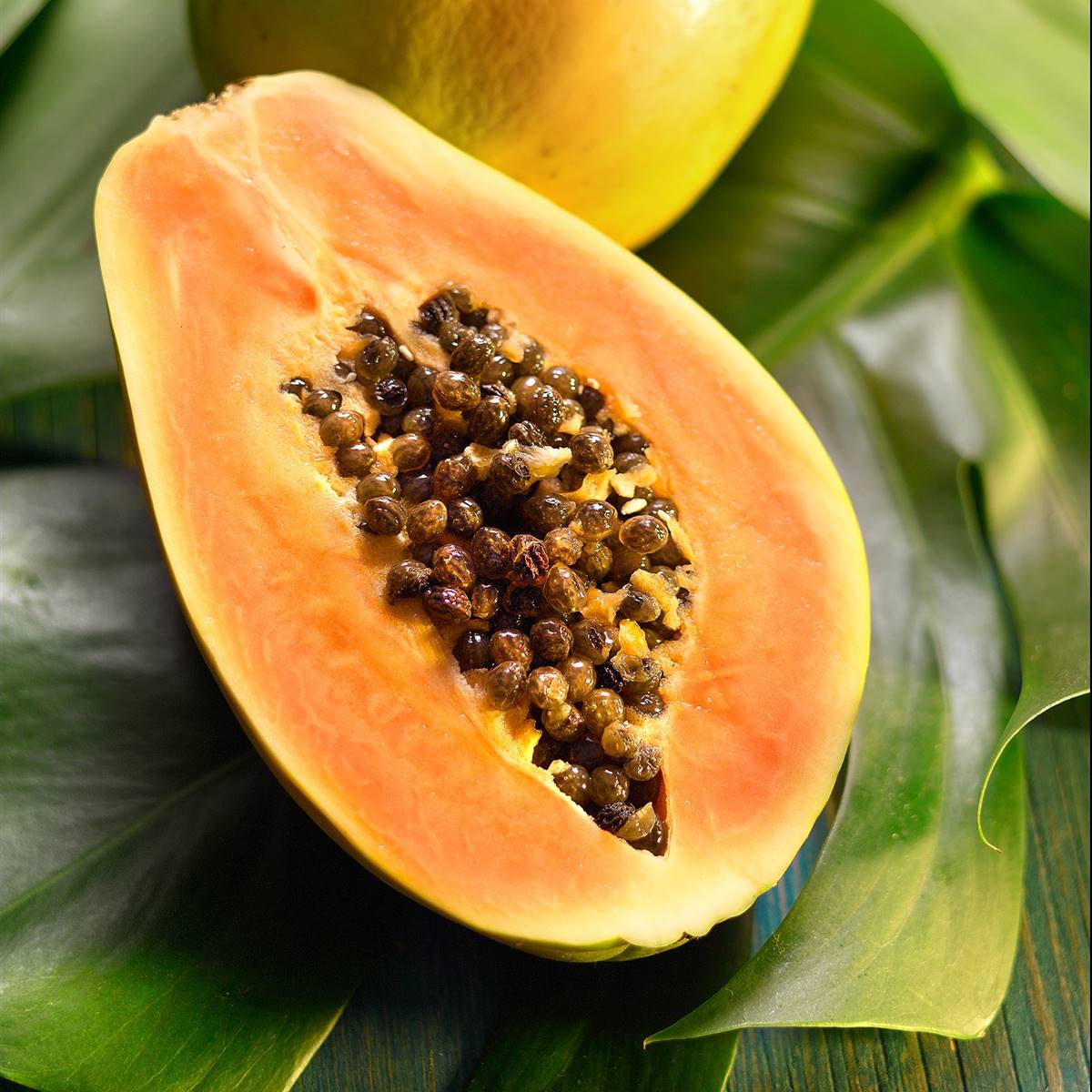
Papaya, with its vibrant color and sweet taste, is more than just a delicious tropical fruit. It's a powerhouse of nutrients and enzymes, offering a range of potential health benefits, especially in disease prevention. Have you ever wondered what makes this fruit so special? Let's dive into the science behind this amazing fruit and explore its potential to keep you healthy. This article will explore how Papaya: Enzymes and Nutrients for Disease Prevention contribute to overall well-being. (Discover the power of papaya! Explore its enzymes and nutrients and how they play a vital role in disease prevention for a healthier you.)
From boosting your immune system to aiding digestion, papaya packs a serious punch. The presence of enzymes like papain and chymopapain distinguishes it from other fruits, offering unique therapeutic properties. Beyond enzymes, papaya is brimming with essential nutrients like vitamins A and C, potassium, and fiber. This combination of nutrients and enzymes makes papaya a valuable addition to a balanced diet.
The core of papaya's disease-fighting potential lies in its rich composition of enzymes and nutrients, acting synergistically to protect the body from various ailments. Its antioxidant properties fight off free radicals, preventing cellular damage that leads to chronic diseases. The anti-inflammatory effects of enzymes like papain can alleviate symptoms of arthritis and other inflammatory conditions. Finally, papaya's digestive enzymes enhance nutrient absorption, promoting gut health and overall immunity.
So, incorporating papaya into your diet could be a simple, delicious way to boost your health. The synergy between its enzymes and nutrients contributes significantly to disease prevention. From improving digestion to fighting inflammation and boosting your immune system, the benefits of this tropical fruit are truly remarkable. So next time you are looking for a healthy snack, reach for a papaya and reap the rewards of its powerful natural properties.
The Enzymatic Power of Papaya
Papaya's exceptional enzymatic profile is what sets it apart. These enzymes, primarily papain and chymopapain, are proteolytic enzymes, meaning they help break down proteins.
Papain: The Protein-Busting Enzyme
Papain is arguably the most well-known enzyme in papaya. It acts as a natural meat tenderizer and has been used for centuries to improve digestion.
Digestive Aid: Papain assists in breaking down proteins into smaller, more easily absorbed amino acids, reducing bloating, gas, and other digestive discomforts. Anti-Inflammatory Properties: Studies have shown that papain possesses anti-inflammatory effects, helping to alleviate pain and swelling associated with conditions like arthritis. Wound Healing: Papain can be applied topically to help cleanse wounds, remove dead tissue, and promote faster healing. Enzyme Therapy: Papain is utilized in enzyme therapy to help break down fibrin and other proteins that lead to inflammation and blood clots.
Chymopapain: A Complementary Enzyme
Chymopapain works alongside papain to enhance protein digestion and offer additional health benefits.
Pain Relief: Chymopapain has shown promise in reducing back pain when injected into the intervertebral discs. Anti-Inflammatory Effects: Similar to papain, chymopapain contributes to reducing inflammation throughout the body. Potential Anticancer Properties: Research suggests that chymopapain may have potential in inhibiting the growth of certain cancer cells.
The Nutritional Bounty of Papaya
Beyond its enzymes, papaya is a treasure trove of essential vitamins, minerals, and antioxidants. These nutrients work together to support various bodily functions and protect against disease.
Vitamin C: The Immunity Booster
Papaya is an excellent source of vitamin C, a powerful antioxidant that strengthens the immune system and protects against infections.
Immune Support: Vitamin C stimulates the production of white blood cells, which are essential for fighting off pathogens. Antioxidant Protection: Vitamin C neutralizes free radicals, preventing cellular damage and reducing the risk of chronic diseases. Collagen Production: Vitamin C is vital for collagen synthesis, which is essential for healthy skin, joints, and blood vessels.
Vitamin A: The Vision Protector
Papaya is rich in vitamin A, which is crucial for maintaining healthy vision, skin, and immune function.
Eye Health: Vitamin A protects against age-related macular degeneration and other vision problems. Skin Health: Vitamin A promotes healthy skin cell turnover and protects against sun damage. Immune Regulation: Vitamin A helps regulate the immune system and enhance its ability to fight off infections.
Potassium: The Blood Pressure Regulator
Papaya is a good source of potassium, an essential mineral that helps regulate blood pressure and maintain fluid balance.
Blood Pressure Control: Potassium helps counteract the effects of sodium, lowering blood pressure and reducing the risk of heart disease. Fluid Balance: Potassium helps maintain proper fluid balance in the body, preventing dehydration and muscle cramps. Muscle Function: Potassium is essential for muscle contraction and nerve function.
Fiber: The Digestive Promoter
Papaya is a good source of dietary fiber, which promotes healthy digestion and helps regulate blood sugar levels.
Digestive Health: Fiber adds bulk to the stool, preventing constipation and promoting regular bowel movements. Blood Sugar Control: Fiber slows down the absorption of sugar into the bloodstream, helping to stabilize blood sugar levels. Cholesterol Reduction: Fiber can help lower LDL (bad) cholesterol levels, reducing the risk of heart disease.
Antioxidants: The Cellular Defenders
Papaya contains a variety of antioxidants, including carotenoids like lycopene and beta-carotene, which protect cells from damage caused by free radicals.
Lycopene: Lycopene has been linked to a reduced risk of prostate cancer and other types of cancer. Beta-Carotene: Beta-carotene is converted into vitamin A in the body and provides antioxidant protection. Other Antioxidants: Papaya also contains other antioxidants like flavonoids and phenolic compounds, which contribute to its overall health benefits.
Papaya and Disease Prevention
The combination of enzymes, nutrients, and antioxidants in papaya makes it a powerful ally in disease prevention.
Cancer Prevention
Studies have suggested that papaya may have anticancer properties due to its high antioxidant content and the presence of enzymes like papain and chymopapain. Lycopene, in particular, has been linked to a reduced risk of prostate cancer. Further research is needed to fully understand the potential of papaya in cancer prevention, but its promising initial findings are encouraging.
Cardiovascular Health
Papaya's potassium and fiber content contribute to cardiovascular health by helping to regulate blood pressure and lower cholesterol levels. The antioxidants in papaya also protect against oxidative stress, which can damage blood vessels and lead to heart disease. Incorporating papaya into a heart-healthy diet may help reduce the risk of cardiovascular events.
Digestive Health
The enzymes papain and chymopapain in papaya aid in digestion by breaking down proteins and promoting nutrient absorption. Fiber also contributes to digestive health by preventing constipation and promoting regular bowel movements. Papaya can be a beneficial addition to the diet for individuals with digestive issues such as bloating, gas, and irritable bowel syndrome (IBS).
Immune System Support
Papaya's high vitamin C content strengthens the immune system by stimulating the production of white blood cells and providing antioxidant protection. Vitamin A also plays a role in immune regulation, enhancing the body's ability to fight off infections. Regular consumption of papaya may help boost immunity and reduce the risk of illness.
Anti-Inflammatory Effects
The enzymes papain and chymopapain possess anti-inflammatory properties, which can help alleviate symptoms of arthritis and other inflammatory conditions. Studies have shown that papain can reduce pain and swelling in individuals with osteoarthritis. Including papaya in an anti-inflammatory diet may help manage chronic inflammatory conditions.
Incorporating Papaya into Your Diet
There are countless ways to enjoy papaya and reap its health benefits.
Fresh Papaya
Enjoy ripe papaya on its own as a refreshing snack or dessert. Cut it in half, scoop out the seeds, and enjoy the sweet, juicy flesh.
Papaya Smoothies
Add papaya to your smoothies for a boost of flavor, nutrients, and enzymes. Combine it with other fruits like banana, mango, and pineapple for a tropical treat.
Papaya Salads
Add diced papaya to salads for a touch of sweetness and a boost of nutrients. Combine it with greens, vegetables, and a light dressing for a healthy and delicious meal.
Grilled Papaya
Grill slices of papaya for a caramelized and smoky flavor. Serve it as a side dish or add it to tacos and other dishes.
Papaya Salsa
Make a refreshing papaya salsa by combining diced papaya with red onion, cilantro, lime juice, and jalapeno. Serve it with grilled fish, chicken, or chips.
Green Papaya
Use green, unripe papaya in savory dishes like salads and curries. It has a different flavor and texture than ripe papaya and can be a great addition to Asian-inspired cuisine.
Potential Side Effects and Precautions
While papaya is generally safe for consumption, some individuals may experience side effects.
Allergies
Some people may be allergic to papaya. Symptoms of a papaya allergy can include itching, hives, swelling, and difficulty breathing. If you experience any of these symptoms after consuming papaya, seek medical attention immediately.
Latex Allergy
Individuals with latex allergies may also be allergic to papaya due to cross-reactivity. This means that the proteins in papaya are similar to those in latex, and the immune system may react to both.
Pregnancy and Breastfeeding
Pregnant and breastfeeding women should consume papaya in moderation. Unripe papaya contains latex, which may stimulate uterine contractions. Ripe papaya is generally considered safe, but it's best to consult with a healthcare professional before consuming large amounts.
Blood Thinners
Papaya may have blood-thinning effects, so individuals taking blood thinners like warfarin should consume it with caution. Consult with a healthcare professional to determine if papaya is safe for you.
Frequently Asked Questions About Papaya: Enzymes and Nutrients for Disease Prevention
Here are some common questions about papaya and its health benefits.
General Questions
Q: What are the main enzymes found in papaya? A: The primary enzymes in papaya are papain and chymopapain, both of which are proteolytic enzymes that aid in protein digestion. These enzymes are key to understanding how Papaya: Enzymes and Nutrients for Disease Prevention works.
Q: What are the key nutrients in papaya? A: Papaya is rich in vitamin C, vitamin A, potassium, and fiber, all of which contribute to its health benefits.
Q: Is papaya good for digestion? A: Yes, the enzymes papain and chymopapain in papaya aid in digestion by breaking down proteins and promoting nutrient absorption. Fiber also contributes to digestive health by preventing constipation.
Papaya and Specific Health Conditions
Q: Can papaya help with arthritis? A: Yes, the anti-inflammatory properties of papain may help alleviate symptoms of arthritis.
Q: Is papaya good for heart health? A: Yes, papaya's potassium and fiber content contribute to cardiovascular health by helping to regulate blood pressure and lower cholesterol levels.
Q: Can papaya boost the immune system? A: Yes, papaya's high vitamin C content strengthens the immune system by stimulating the production of white blood cells.
Q: Can papaya help prevent cancer? A: Studies have suggested that papaya may have anticancer properties due to its high antioxidant content and the presence of enzymes like papain and chymopapain. Lycopene, in particular, has been linked to a reduced risk of prostate cancer.
Practical Questions
Q: How much papaya should I eat per day? A: A serving size of about 1 cup of papaya is generally recommended per day. However, individual needs may vary depending on overall health and dietary requirements.
Q: Can I eat papaya seeds? A: Papaya seeds are edible and have a peppery flavor. Some people believe they have health benefits, but more research is needed. Consume them in moderation.
Q: How do I know when a papaya is ripe? A: A ripe papaya will be slightly soft to the touch and have a yellowish-orange color.
Q: How should I store papaya? A: Store unripe papaya at room temperature until it ripens. Once ripe, store it in the refrigerator to prolong its shelf life.
Expert Opinions and Research Findings
Numerous studies and expert opinions highlight the benefits of papaya and its components.
A study published in the Journal of Medicinal Food found that papain exhibited significant anti-inflammatory effects in animal models of arthritis (Reference: Research Journal Name). The American Heart Association recommends incorporating potassium-rich foods like papaya into a heart-healthy diet to help regulate blood pressure (Reference: AHA Official Website). The National Cancer Institute recognizes lycopene, found in papaya, as a potential agent in cancer prevention (Reference: NCI Official Website). Registered dietitians often recommend papaya as a natural remedy for digestive issues due to its enzyme content and fiber (Reference: Dietitian Official Website).
The Takeaway: Embrace the Power of Papaya
In conclusion, Papaya: Enzymes and Nutrients for Disease Prevention make it an exceptionally beneficial fruit for overall health. From its potent digestive enzymes to its wealth of vitamins and antioxidants, papaya offers a wide array of potential health benefits. By incorporating this delicious fruit into your diet, you can support your immune system, promote digestive health, and protect against chronic diseases. So, embrace the power of papaya and enjoy the sweet taste of good health.