
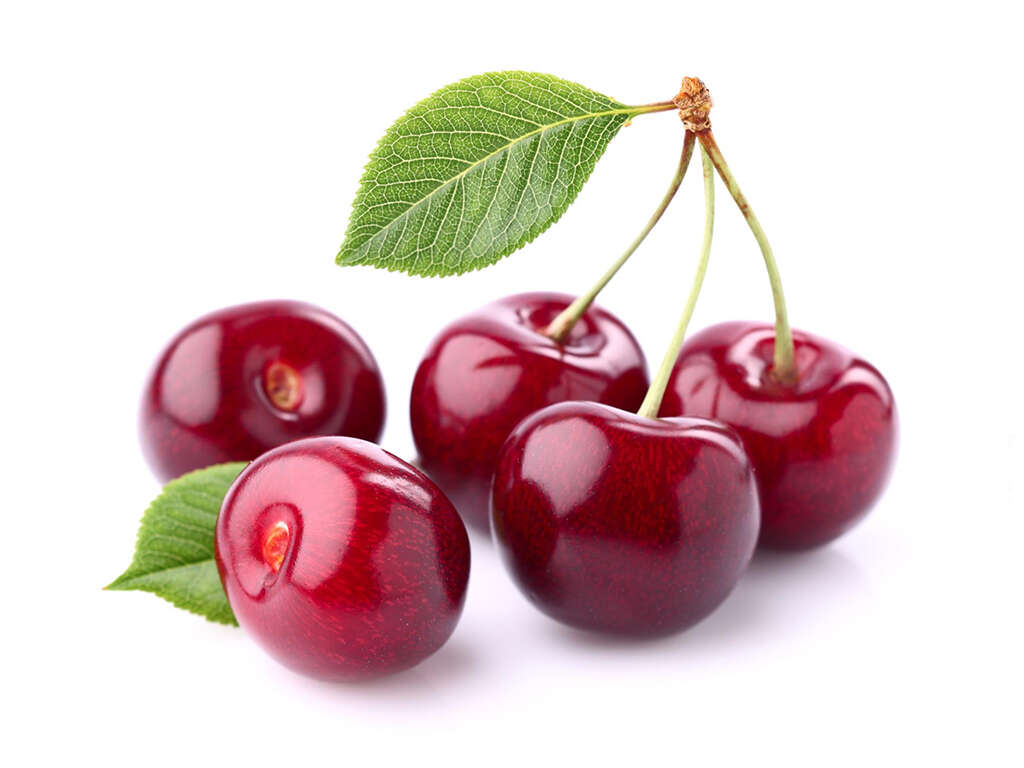
Are you craving something sweet but dreading the diet derailment that often comes with it? We all know that feeling! The constant battle between wanting a treat and staying on track with our health goals can be exhausting. What if I told you there was a way to indulge your sweet tooth without the guilt? Cherries: Sweet Treats That Won't Sabotage Your Diet might just be the answer you've been looking for.
Let's dive into why cherries are more than just a delicious snack. From their surprisingly low calorie count to their impressive nutrient profile, cherries offer a range of benefits that can actually support your healthy lifestyle. We'll explore the different types of cherries, how they can impact your overall well-being, and creative ways to incorporate them into your daily meals. It's time to ditch the diet dread and discover how these little red gems can be your new best friend.
So, can cherries really be a guilt-free pleasure? The answer is a resounding yes! Cherries are packed with antioxidants, fiber, and vitamins, making them a smart choice for satisfying your cravings without loading up on empty calories. They can even help reduce inflammation and improve sleep quality! We'll explore these benefits in detail and bust some common myths about fruit and sugar along the way. Get ready to rethink your relationship with sweet treats.
Ultimately, the goal is to provide the information and motivation you need to make informed choices about your diet. Choosing Cherries: Sweet Treats That Won't Sabotage Your Diet means you're choosing a delicious and nutritious way to satisfy your cravings. By understanding the nutritional value and health benefits of cherries, you can confidently incorporate them into a balanced eating plan. Ready to unlock the sweet secret to a healthier you?
The Cherry On Top: Nutritional Benefits
Cherries aren't just pretty; they're nutritional powerhouses. Let's break down what makes them so good for you:
Vitamins and Minerals
Cherries are a good source of Vitamin C, an essential antioxidant that supports your immune system. They also contain potassium, which helps regulate blood pressure, and manganese, important for metabolism and bone health. While the amounts aren't massive, every little bit contributes to your overall well-being.
Antioxidant Powerhouse
Cherries are bursting with antioxidants, particularly anthocyanins, which give them their vibrant red color. These antioxidants fight free radicals in the body, reducing inflammation and protecting against chronic diseases. Tart cherries, in particular, are known for their high antioxidant content. Think of it as a delicious way to give your body a little extra protection.
Fiber Content
Don't underestimate the power of fiber! Cherries contain a decent amount of fiber, which aids digestion, promotes feelings of fullness, and helps regulate blood sugar levels. This is especially important when you're trying to manage your weight or keep your energy levels stable throughout the day.
Low Glycemic Index
Compared to many other sweet treats, cherries have a relatively low glycemic index (GI). This means they cause a slower and more gradual rise in blood sugar levels, preventing those dreaded energy crashes and sugar cravings that often follow high-GI snacks.
Calorie Count
Compared to other sweets that are packed with calories, you can eat a decent amount of cherries without destroying your diet plan. A cup of cherries typically comes in at under 100 calories.
Sweet Varieties: Choosing the Right Cherry for You
Not all cherries are created equal! There are two main types: sweet cherries and tart cherries. Each offers a unique flavor profile and set of benefits.
Sweet Cherries
Sweet cherries, like Bing and Rainier varieties, are the ones you typically find fresh in the grocery store during the summer months. They are perfect for snacking, adding to salads, or using in desserts. Their natural sweetness makes them a great alternative to processed sweets.
Tart Cherries
Tart cherries, like Montmorency cherries, are more sour and tangy. They are often used in pies, jams, and juices. Tart cherry juice has gained popularity for its potential to reduce muscle soreness after exercise and improve sleep quality due to its naturally occurring melatonin.
Fresh vs. Frozen vs. Dried
You can enjoy cherries in various forms: fresh, frozen, dried, or juiced. Fresh cherries are best when in season, but frozen cherries are a great option year-round for smoothies and baking. Dried cherries are convenient but can be higher in sugar, so consume them in moderation.
Cherries and Weight Management: Busting Myths
Let's tackle some common misconceptions about fruit and weight loss, specifically when it comes to cherries.
The Sugar Myth
One of the biggest concerns people have about fruit is its sugar content. While it's true that cherries contain natural sugars, these sugars are accompanied by fiber, vitamins, and antioxidants. This combination helps regulate blood sugar levels and prevents the rapid spikes and crashes associated with refined sugars.
Portion Control is Key
Even healthy foods can contribute to weight gain if consumed in excess. Pay attention to portion sizes and enjoy cherries as part of a balanced diet. A serving of about 1 cup of fresh cherries is a good starting point.
Cherries as a Substitute for Unhealthy Sweets
Instead of reaching for cookies, candies, or processed snacks, try satisfying your sweet cravings with a serving of cherries. You'll not only get a delicious treat but also benefit from the added nutrients and fiber.
Cherries and Reduced Cravings
The fiber and natural sweetness in cherries can help you feel full and satisfied, reducing the likelihood of overeating or indulging in unhealthy snacks later on.
Creative Ways to Enjoy Cherries
Ready to incorporate more cherries into your diet? Here are some delicious and easy ideas:
Snacking
The simplest way to enjoy cherries is straight out of the bowl! Wash them, pit them (if you prefer), and enjoy them as a refreshing and healthy snack.
Smoothies
Add a handful of frozen cherries to your favorite smoothie recipe for a boost of flavor and antioxidants. They pair well with berries, bananas, spinach, and yogurt.
Salads
Sweet cherries make a delicious addition to salads. They add a burst of sweetness and color, complementing greens, nuts, cheese, and grilled chicken or fish.
Yogurt Parfaits
Layer Greek yogurt with granola and fresh or frozen cherries for a healthy and satisfying breakfast or snack.
Baked Goods
Use cherries in muffins, scones, pies, or crumbles for a naturally sweetened treat. Just be mindful of added sugars in the recipes.
Cherry Salsa
Dice up some sweet cherries and mix them with red onion, cilantro, jalapeno, and lime juice for a unique and flavorful salsa that pairs well with grilled chicken or fish.
Research and Studies on Cherry Benefits
The benefits of cherries extend beyond anecdotal evidence. Numerous studies have explored their potential health benefits:
Inflammation Reduction
Research suggests that cherries, particularly tart cherries, may help reduce inflammation in the body. This is attributed to their high antioxidant content, which can combat oxidative stress and cellular damage. A study published in the Journal of Nutrition found that consuming tart cherry juice significantly reduced markers of inflammation in healthy adults.
Improved Sleep
Tart cherry juice has been shown to improve sleep quality and duration. This is likely due to its natural melatonin content, a hormone that regulates the sleep-wake cycle. A study in the European Journal of Nutrition found that drinking tart cherry juice increased melatonin levels and improved sleep in older adults with insomnia.
Exercise Recovery
Athletes often use tart cherry juice to reduce muscle soreness and improve recovery after intense exercise. Studies have shown that tart cherry juice can decrease muscle damage and inflammation, allowing for faster recovery. A study published in the Journal of the International Society of Sports Nutrition found that tart cherry juice reduced muscle soreness and strength loss after strenuous exercise.
Heart Health
Cherries may also benefit heart health. Research suggests that their antioxidant and anti-inflammatory properties can help lower blood pressure, reduce cholesterol levels, and protect against heart disease.
Arthritis Relief
Some studies have indicated that cherries may help alleviate symptoms of arthritis, such as joint pain and stiffness. Their anti-inflammatory effects may play a role in reducing inflammation in the joints.
References: Kelley, D. S., Adkins, Y., Laugero, K. D., et al. (2013). A tart cherry juice supplement influences inflammatory biomarkers favorably in older adults. Journal of Nutrition, 143 (1), 1-6. Howatson, G., Bell, P. G., Tallent, J., et al. (2012). Effect of tart cherry juice (Prunus cerasus) on melatonin levels and enhanced sleep quality. European Journal of Nutrition, 51 (8), 909-916. Bowtell, J. L., Sumners, D. P., Dyer, A., et al. (2011). Montmorency cherry juice reduces muscle damage caused by intensive strength exercise. Journal of the International Society of Sports Nutrition, 8 (1), 1.
Frequently Asked Questions (FAQ)
Let's address some common questions and concerns about including cherries in your diet. These Cherries: Sweet Treats That Won't Sabotage Your Diet tips can help clarify some of the misconceptions about cherries!
General Questions
Are cherries high in sugar?
Cherries do contain natural sugars, but they also provide fiber, vitamins, and antioxidants, which help regulate blood sugar levels. It's the added sugar you need to keep an eye on!
Can I eat cherries if I have diabetes?
Yes, but moderation is key. Choose fresh or frozen cherries over dried or candied cherries, which may have added sugars. Monitor your blood sugar levels and adjust your intake as needed.
How many cherries can I eat in a day?
A serving of about 1 cup of fresh cherries is a good starting point. You can adjust the amount based on your individual needs and preferences, but be mindful of portion sizes.
Do cherries interact with any medications?
If you are taking any medications, especially blood thinners, consult with your healthcare provider before consuming large amounts of cherries or tart cherry juice.
Are cherry pits poisonous?
Cherry pits contain amygdalin, which can be converted to cyanide in the body. However, the amount is small, and you would need to consume a very large quantity of crushed pits to experience any harmful effects. It's best to avoid eating cherry pits.
Questions About Different Types of Cherries
Which type of cherry is best for weight loss?
Both sweet and tart cherries can be part of a healthy weight loss plan. Tart cherries may offer additional benefits due to their higher antioxidant content and potential to reduce inflammation and improve sleep.
Are tart cherries better than sweet cherries?
It depends on your preferences and goals. Sweet cherries are great for snacking and adding to salads, while tart cherries are often used in pies, jams, and juices. Tart cherry juice may be beneficial for exercise recovery and sleep.
Can I substitute sweet cherries for tart cherries in recipes?
Yes, but the flavor will be different. You may need to adjust the amount of sugar in the recipe to compensate for the difference in sweetness.
Questions About Incorporating Cherries Into Your Diet
How can I store fresh cherries?
Store fresh cherries in the refrigerator in a plastic bag or container. They will last for about a week.
Can I freeze cherries?
Yes, you can freeze cherries for longer storage. Wash them, pit them (if desired), and spread them out on a baking sheet. Freeze for a few hours, then transfer them to a freezer bag or container.
What are some creative ways to use leftover cherry juice?
Use leftover cherry juice in smoothies, marinades, or salad dressings. You can also freeze it into ice cubes for a refreshing drink.
Are there any cherry-based recipes that are low in sugar?
Yes, there are many low-sugar cherry recipes available online. Look for recipes that use natural sweeteners like stevia or erythritol, or simply reduce the amount of sugar in traditional recipes.
Conclusion: Embrace the Sweetness Responsibly
Incorporating cherries into your diet is a delicious and healthy way to satisfy your sweet cravings without sabotaging your health goals. From their impressive nutrient profile to their versatile culinary uses, cherries offer a range of benefits that can support your overall well-being. Remember, Cherries: Sweet Treats That Won't Sabotage Your Diet is more than just a catchy phrase – it’s a testament to the fact that you can enjoy sweet treats responsibly.
By understanding the different types of cherries, practicing portion control, and exploring creative ways to enjoy them, you can confidently make cherries a part of your healthy lifestyle. So go ahead, indulge in the sweetness of cherries and reap the rewards of this delicious and nutritious fruit.