
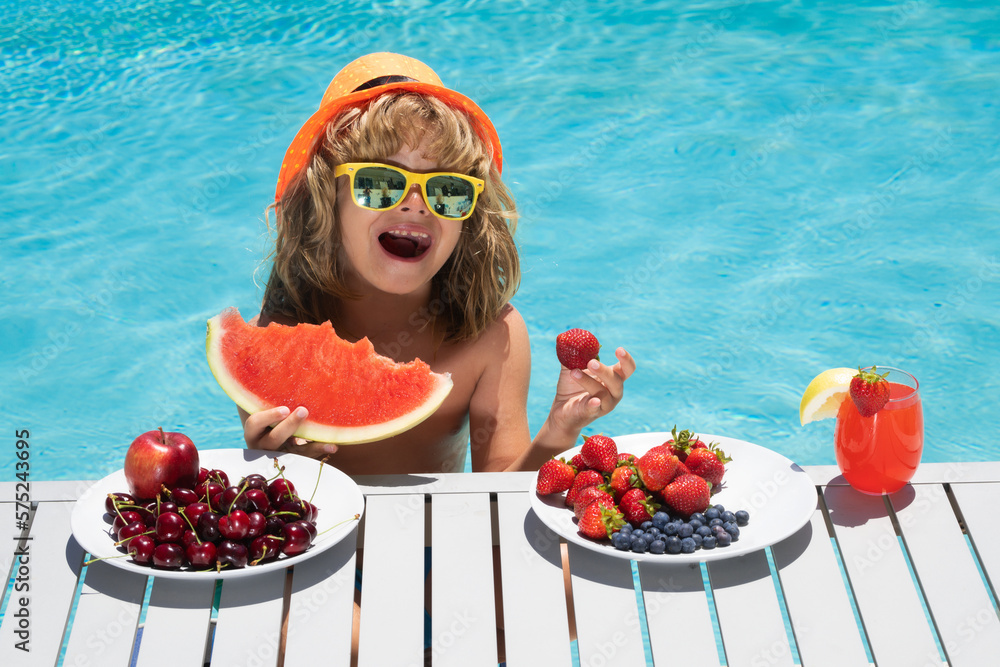
Imagine a world where your kids cheer when you pull out a bowl of fruit instead of wrinkling their noses. Sounds like a fairytale, right? Not necessarily! The secret lies in making fruit exciting, engaging, and downright delicious. Fruity Fun: Getting Kids Excited About Eating Fruits is more than just a catchy title; it's a mission. Let's turn those fruit frowns upside down and create a generation of fruit-loving kiddos! (Discover fun and creative ways to get your kids excited about eating fruits! Transform snack time with these easy tips and recipes for a healthier, happier family.)
The path to a fruit-filled future isn’t always paved with sunshine and rainbows. You might face resistance, picky eaters, and the ever-present allure of processed snacks. But don't despair! With a little creativity and persistence, you can overcome these challenges and instill a love for fruit that will last a lifetime. It's about transforming fruit from a chore into a choice, a treat, and a source of joy.
So, how do you actually achieve this fruity revolution? It’s about more than just placing a bowl of apples on the table. It involves understanding your child's preferences, making fruit visually appealing, involving them in the process, and finding creative ways to incorporate fruit into their favorite foods. Think colorful fruit skewers, smoothies disguised as milkshakes, and even fun fruit-based desserts.
The good news is that this journey is absolutely worth it. Encouraging your kids to eat more fruit isn't just about nutrition; it's about building healthy habits, fostering a positive relationship with food, and setting them up for a lifetime of well-being. By embracing Fruity Fun: Getting Kids Excited About Eating Fruits , you're investing in their health and happiness, one delicious bite at a time. And remember, even small changes can make a big difference!
Making Fruit Fun: Creative Strategies
Making fruit fun for kids is all about appealing to their senses and making the experience enjoyable. Think about it: adults are more likely to eat healthy if the food looks and tastes good, and kids are no different! Let’s dive into some creative strategies:
Presentation is Key: Eye-Catching Fruit
Fruit Skewers: Thread colorful fruits like strawberries, grapes, melon, and kiwi onto skewers. Kids love eating things off sticks! You can even add a little yogurt dip on the side for extra fun.
Fruit Salad Art: Arrange fruit slices into fun shapes and designs on a plate. Think smiley faces, animals, or even simple geometric patterns. Get creative and let your kids help!
Cookie Cutters: Use cookie cutters to create fun shapes out of melon, pineapple, or other fruits. Star-shaped watermelon, anyone?
Rainbow Fruit Platter: Arrange fruits of different colors in a rainbow pattern on a platter. This is visually appealing and encourages kids to try a variety of fruits.
Getting Kids Involved: Hands-On Fun
Trip to the Farmer's Market: Take your kids to the farmer's market and let them pick out fruits that look interesting. This helps them feel involved in the process and more likely to try new things.
Gardening: If you have the space, consider planting a fruit tree or berry bush in your garden. Kids will be excited to harvest their own fruit.
Smoothie Making: Let your kids help you make smoothies. They can add the fruit, measure the liquids, and even come up with their own flavor combinations.
Baking Together: Bake fruit-filled muffins, pies, or crisps together. The aroma of baking fruit is irresistible, and kids will be proud of what they create.
Sneaking in Fruit: The Art of Disguise
Sometimes, a little bit of stealth is necessary, especially with picky eaters. Don't be afraid to get creative with how you incorporate fruit into their diets:
Smoothie Power: Smoothies are a fantastic way to sneak in extra fruit. Blend fruits with yogurt, milk, or even some spinach for a nutritional boost.
Fruit Puree Power: Mix fruit puree into oatmeal, yogurt, or pancakes. The subtle sweetness will enhance the flavor without being overpowering.
Fruit Salsa: Serve fruit salsa with cinnamon chips. This is a fun and healthy alternative to traditional salsa.
Frozen Fruit Pops: Blend fruit with a little juice or yogurt and freeze in popsicle molds. These are perfect for hot summer days.
Making it a Game: Fruit Challenges
Try a New Fruit: Challenge your kids to try a new fruit each week. Make it a fun game by giving them a sticker or small reward for each new fruit they try.
Fruit Bingo: Create a bingo card with different fruits on it. When your kids try a fruit, they can mark it off on their card. The first one to get bingo wins a prize.
Fruit Scavenger Hunt: Hide pieces of fruit around the house and have your kids go on a scavenger hunt to find them.
Blind Taste Test: Blindfold your kids and have them try different fruits. See if they can guess what they are.
Beyond the Ordinary: Thinking Outside the Fruit Bowl
Don't limit yourself to just eating fruit raw. There are tons of creative ways to prepare and enjoy fruit:
Grilled Fruit: Grill slices of pineapple, peaches, or watermelon for a smoky and caramelized treat.
Fruit Kabobs with Dip: Create fruit kabobs and serve them with a delicious dip, like yogurt, honey, or peanut butter.
Fruit Pizza: Use a large sugar cookie or graham cracker crust and top it with a cream cheese frosting and arrange fruit slices on top.
Baked Apples: Core apples and fill them with cinnamon, oats, and a touch of brown sugar. Bake until tender for a warm and comforting dessert.
Addressing Common Challenges
Even with the best intentions, getting kids to eat more fruit can be challenging. Here are some common obstacles and how to overcome them:
Picky Eaters: The Selective Fruit Sampler
Start Small: Don't overwhelm your child with a huge bowl of fruit. Offer small portions of different fruits and let them choose what they want to try.
Offer Choices: Give your child a choice between two or three different fruits. This empowers them and makes them feel more in control.
Be Patient: It can take multiple exposures for a child to accept a new food. Don't give up if they don't like it the first time. Keep offering it in different ways.
Lead by Example: Children are more likely to try new foods if they see their parents eating them. Make sure you're eating plenty of fruits and vegetables yourself.
Don't Force It: Forcing a child to eat something can backfire and create a negative association with that food. Instead, focus on creating a positive and enjoyable eating environment.
The Sweet Snack Appeal: Resisting the Candy Craze
Make Fruit Accessible: Keep a bowl of fruit on the counter where your kids can easily see it. This makes it a convenient and appealing snack option.
Limit Processed Snacks: Reduce the amount of sugary snacks and processed foods in your house. This will make fruit a more attractive option.
Offer Fruit as Dessert: Serve fruit as dessert instead of cookies or candy. You can even get creative and make a fruit-based dessert, like a baked apple or fruit crisp.
Focus on the Positive: Highlight the benefits of eating fruit, such as energy, strong muscles, and healthy skin.
Time Constraints: Making it Easy
Pre-Cut Fruit: Buy pre-cut fruit from the grocery store to save time. This makes it easy to grab a healthy snack on the go.
Prepare Fruit in Advance: Wash and chop fruit on the weekend so it's ready to eat during the week.
Keep Frozen Fruit on Hand: Frozen fruit is a great option for smoothies, baking, or adding to yogurt.
Utilize Leftovers: Use leftover fruit in smoothies, salads, or as a topping for cereal.
Age-Specific Strategies
The approach to encouraging fruit consumption varies with age. Here's a breakdown:
Infants (6-12 Months)
Pureed Fruits: Start with pureed fruits like applesauce, bananas, and avocados.
Introduce One at a Time: Introduce one new fruit at a time to check for allergies.
Variety is Key: Gradually introduce a variety of fruits to expose your baby to different flavors and textures.
Toddlers (1-3 Years)
Small, Soft Pieces: Cut fruit into small, soft pieces to prevent choking.
Offer as Snacks: Offer fruit as a mid-morning or afternoon snack.
Make it Fun: Use cookie cutters to create fun shapes or serve fruit with a dip.
Preschoolers (3-5 Years)
Involve Them: Let your preschoolers help you wash and prepare fruit.
Tell Stories: Tell stories about the benefits of eating fruit, like how it makes them strong and healthy.
Make it a Game: Play fruit-themed games, like "I Spy" or "Guess the Fruit."
School-Aged Children (6-12 Years)
Pack in Lunches: Pack fruit in their lunchbox every day.
Offer Choices: Give them a choice of fruits to pack in their lunch.
Educate Them: Teach them about the different vitamins and minerals in fruit.
Peer Influence: Encourage them to eat fruit with their friends.
The Nutritional Powerhouse of Fruit
It's important to understand why fruit is so good for kids (and adults!). Fruit is packed with essential vitamins, minerals, and fiber that support overall health and well-being.
Vitamins and Minerals: The Building Blocks
Vitamin C: Boosts the immune system and helps the body absorb iron (found in citrus fruits, strawberries, and kiwi).
Vitamin A: Important for vision, skin health, and immune function (found in mangoes, cantaloupe, and apricots).
Potassium: Helps regulate blood pressure and muscle function (found in bananas, avocados, and melons).
Folate: Important for cell growth and development (found in oranges, strawberries, and avocados).
Fiber: The Digestive Dynamo
Promotes Digestive Health: Fiber helps regulate bowel movements and prevents constipation.
Keeps Kids Feeling Full: Fiber helps kids feel fuller for longer, which can prevent overeating.
Regulates Blood Sugar: Fiber helps regulate blood sugar levels, which can prevent energy crashes.
Antioxidants: The Cell Protectors
Protects Against Cell Damage: Antioxidants protect cells from damage caused by free radicals.
Reduces Risk of Chronic Diseases: Antioxidants have been linked to a reduced risk of chronic diseases like cancer and heart disease.
Boosts Immune System: Antioxidants help boost the immune system and protect against illness.
Fruity Fun: Recipes to Try
Here are a few simple and delicious fruit recipes to get you started:
Berry Blast Smoothie
1 cup mixed berries (fresh or frozen) 1/2 banana 1/2 cup yogurt 1/2 cup milk or juice Blend until smooth and enjoy!
Watermelon Pizza
1 thick slice of watermelon 1/4 cup yogurt or cream cheese Assorted fruit toppings (berries, kiwi, grapes) Spread yogurt on watermelon and top with fruit. Cut into slices and serve.
Apple Cinnamon Baked Apples
4 apples 1/4 cup oats 1/4 cup brown sugar 1 teaspoon cinnamon 2 tablespoons butter Core apples and fill with oats, brown sugar, cinnamon, and butter. Bake at 350°F for 30-40 minutes.
Fruity Fun: Frequently Asked Questions (FAQ)
General Fruit Consumption
Q: How much fruit should my child eat each day to ensure they are having Fruity Fun: Getting Kids Excited About Eating Fruits? A: The recommended daily intake of fruit varies depending on age, activity level, and overall health. A general guideline is:
1-3 years: 1-2 cups 4-8 years: 1.5-2.5 cups 9-13 years: 1.5-2.5 cups 14-18 years: 1.5-2 cups for girls, 2-2.5 cups for boys
Q: Is it better to eat whole fruit or drink fruit juice? A: Whole fruit is generally a better option than fruit juice. Whole fruit contains fiber, which helps regulate blood sugar levels and keeps kids feeling full. Fruit juice, on the other hand, is often high in sugar and lacks fiber. If you do choose to give your child fruit juice, limit it to 4-6 ounces per day.
Q: What are some signs that my child isn't getting enough fruit? A: Signs that your child may not be getting enough fruit include:
Constipation Low energy levels Weakened immune system Frequent illnesses
Addressing Picky Eaters
Q: My child is a very picky eater. How can I get them to eat more fruit so they can have some Fruity Fun: Getting Kids Excited About Eating Fruits? A: Getting a picky eater to try new foods can be challenging, but not impossible. Here are some tips:
Start small: Offer small portions of different fruits and let them choose what they want to try. Offer choices: Give your child a choice between two or three different fruits. Be patient: It can take multiple exposures for a child to accept a new food. Lead by example: Children are more likely to try new foods if they see their parents eating them. Don't force it: Forcing a child to eat something can backfire.
Q: My child only likes a few types of fruit. Is that okay? A: It's okay if your child only likes a few types of fruit. The important thing is that they are eating some fruit. You can gradually introduce new fruits over time. Focus on the fruits they already enjoy and find creative ways to incorporate them into their diet.
Fruit and Health Concerns
Q: Is it possible to eat too much fruit? A: While it's generally healthy to eat fruit, consuming excessive amounts can lead to some issues. The high sugar content in fruit can contribute to weight gain and dental problems if not balanced with a healthy diet and good oral hygiene. The goal is to find a balance and incorporate fruit as part of a well-rounded eating plan.
Q: My child has allergies. What fruits are safe for them to eat? A: If your child has allergies, it's important to be careful about what fruits they eat. Common fruit allergens include:
Strawberries Kiwi Mango Melon Citrus fruits
Always check with your pediatrician or allergist before introducing new fruits to your child.
Practical Tips and Storage
Q: What's the best way to store fruit to keep it fresh? A: The best way to store fruit depends on the type of fruit:
Berries: Store in the refrigerator in a container lined with paper towels. Apples and pears: Store in the refrigerator. Bananas: Store at room temperature. Melons: Store at room temperature until ripe, then refrigerate. Citrus fruits: Store at room temperature or in the refrigerator.
Q: How can I make fruit more convenient for my kids to eat on the go? A: To make fruit more convenient for on-the-go snacking:
Pre-cut fruit: Buy pre-cut fruit from the grocery store or prepare your own fruit in advance. Pack fruit in a container: Pack fruit in a reusable container to prevent it from getting crushed in a lunchbox or backpack. Fruit leather: Fruit leather is a convenient and portable snack option. Freeze fruit: Freeze grapes or berries for a refreshing and healthy snack.
Fruity Fun: Recipe Adaptations
Q: Can I substitute ingredients in the fruit recipes provided? A: Absolutely! Feel free to substitute ingredients based on your child's preferences, dietary needs, or what you have on hand. For example, you can use different types of berries in the Berry Blast Smoothie or try different fruit toppings on the Watermelon Pizza.
Q: How can I make these recipes allergy-friendly? A: To make the recipes allergy-friendly:
Substitute milk: Use dairy-free milk alternatives like almond milk, soy milk, or oat milk in place of cow's milk. Omit nuts: Leave out any nuts or nut butters if your child has a nut allergy. Choose safe fruits: Be mindful of common fruit allergens and choose fruits that are safe for your child to eat.
A Fruitful Conclusion
Ultimately, embracing Fruity Fun: Getting Kids Excited About Eating Fruits is a journey of experimentation, adaptation, and most importantly, fun! By understanding your child's preferences, getting creative with presentation, and making fruit accessible and enjoyable, you can cultivate a lifelong love for this nutritional powerhouse. Don't be afraid to try new things, involve your kids in the process, and celebrate small victories. Remember, every bite of fruit is a step in the right direction. So, let's get those taste buds tingling and embark on a fruity adventure together!