
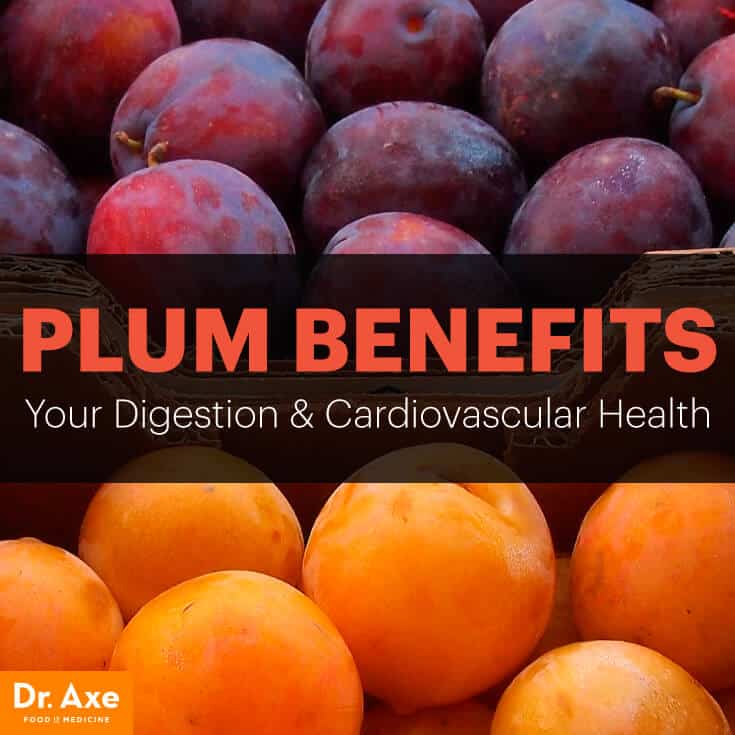
Ever felt that uncomfortable bloat after a meal, or just a general sluggishness in your digestive system? We've all been there, reaching for quick fixes that might not always be the best for our bodies. Discover the natural power of plums and prunes for digestive health. Learn how these fruits can relieve constipation, improve gut health, and provide essential nutrients. What if I told you there’s a naturally sweet and effective solution sitting right in the produce aisle?
Plums and prunes have been used for centuries, not just for their delicious taste but also for their remarkable health benefits. These fruits are packed with fiber, vitamins, and antioxidants, making them a nutritional powerhouse. Think of them as little packages of goodness that can give your digestive system the gentle nudge it sometimes needs. They’re way more than just a grandma's remedy – they’re a scientifically backed way to support your gut health.
But how exactly do plums and prunes work their magic on our digestive system? It's all thanks to their unique combination of fiber, sorbitol, and other compounds. Fiber adds bulk to the stool, making it easier to pass. Sorbitol, a natural sugar alcohol, acts as a mild laxative, drawing water into the intestines to soften the stool. This dynamic duo works together to promote regularity and ease constipation, without the harsh side effects of some over-the-counter medications.
So, are Plums and Prunes: Natural Aids for Digestive Health really the answer? We'll explore the science, the benefits, and how to incorporate these delightful fruits into your daily routine. By the end of this article, you’ll have a clear understanding of how plums and prunes can be a natural and delicious way to support a healthy and happy gut. Ready to dive in? Let’s get started!
The Science Behind Plums and Prunes
What Makes Plums and Prunes So Effective?
It's not just folklore; there's real science backing up the digestive benefits of plums and prunes. Let's break down the key components:
Fiber: This is the big one. Both soluble and insoluble fiber are present in plums and prunes. Insoluble fiber adds bulk to your stool, helping it move more quickly through your digestive tract. Soluble fiber dissolves in water, forming a gel-like substance that can help regulate bowel movements and lower cholesterol levels.
Sorbitol: This natural sugar alcohol is a mild laxative. It draws water into the intestines, softening the stool and making it easier to pass. The amount of sorbitol varies depending on the ripeness and variety of the fruit.
Antioxidants: Plums and prunes are rich in antioxidants, which protect your cells from damage caused by free radicals. This can help reduce inflammation in the gut and promote overall digestive health.
Potassium: This essential mineral helps regulate fluid balance in the body, which is crucial for maintaining healthy bowel movements.
Phenolic Compounds: These compounds have antioxidant and anti-inflammatory properties, contributing to the overall health of the digestive system. They can also help protect the gut lining from damage.
Research and Studies
Numerous studies have investigated the effectiveness of plums and prunes for digestive health. For instance, a study published in the Alimentary Pharmacology & Therapeutics journal found that prunes were more effective than psyllium for the treatment of mild to moderate constipation. Another study in the Journal of Nutritional Biochemistry showed that prune consumption could improve gut microbiota composition and function.
These studies highlight the potential of plums and prunes as a natural and evidence-based remedy for digestive issues. While more research is always needed, the existing evidence is promising.
Health Benefits Beyond Digestion
While their digestive benefits are well-known, plums and prunes offer a range of other health advantages.
Bone Health
Prunes, in particular, have been linked to improved bone health. Studies suggest that they may help increase bone density and reduce the risk of osteoporosis. This is likely due to their high content of vitamins and minerals, including vitamin K, potassium, and boron.
Heart Health
The fiber, potassium, and antioxidants in plums and prunes can contribute to a healthy heart. Fiber helps lower cholesterol levels, while potassium helps regulate blood pressure. Antioxidants protect against damage to blood vessels, reducing the risk of heart disease.
Blood Sugar Control
Despite their sweetness, plums and prunes have a relatively low glycemic index (GI). This means they don't cause a rapid spike in blood sugar levels, making them a suitable snack for people with diabetes or those looking to manage their blood sugar.
Weight Management
The fiber in plums and prunes can help you feel fuller for longer, which can aid in weight management. They're also a relatively low-calorie snack, making them a healthier alternative to processed sweets.
Incorporating Plums and Prunes Into Your Diet
Okay, so you're convinced that plums and prunes are good for you. But how do you actually incorporate them into your daily routine? Here are some ideas:
Simple Ways to Add Plums and Prunes
Snack on them: Fresh plums make a delicious and refreshing snack, especially during the summer months. Prunes are a convenient and portable snack option year-round.
Add them to your breakfast: Chop up plums or prunes and add them to your oatmeal, yogurt, or cereal.
Blend them into smoothies: Plums and prunes can add natural sweetness and fiber to your smoothies.
Use them in baking: Prunes can be used as a natural sweetener and fat replacement in baked goods like muffins, cakes, and cookies.
Make prune juice: Prune juice is a classic remedy for constipation. Just be mindful of the sugar content and drink in moderation.
Include them in savory dishes: Plums and prunes can add a unique flavor to savory dishes like stews, tagines, and roasted meats.
Recipes to Try
Prune and Walnut Energy Balls: Combine chopped prunes, walnuts, oats, and a touch of honey for a quick and healthy snack.
Plum and Almond Tart: A delicious and elegant dessert that's perfect for entertaining.
Chicken Tagine with Prunes and Almonds: A flavorful and aromatic Moroccan dish that's both sweet and savory.
Prune Puree as a Sugar Substitute: Use prune puree in place of sugar in your favorite baking recipes to reduce added sugar and increase fiber content.
Considerations and Potential Side Effects
While plums and prunes are generally safe for most people, there are a few things to keep in mind:
Start slowly: If you're not used to eating a lot of fiber, start with a small serving of plums or prunes and gradually increase your intake to avoid gas and bloating.
Drink plenty of water: Fiber works best when you're well-hydrated. Make sure to drink plenty of water throughout the day to help move things along.
Be mindful of sugar content: Prunes and prune juice can be high in sugar, so consume them in moderation, especially if you have diabetes or are watching your sugar intake.
Consult your doctor: If you have any underlying health conditions or are taking medications, talk to your doctor before making significant changes to your diet.
FAQ: Plums and Prunes for Digestive Health
Let's address some common questions about using Plums and Prunes: Natural Aids for Digestive Health .
General Questions
Are plums and prunes the same thing?
Not exactly. A prune is a dried plum, specifically from certain varieties that have a high sugar content and can be dried without fermenting. All prunes are plums, but not all plums are prunes.
How many prunes should I eat to relieve constipation?
A good starting point is 3-5 prunes per day. You can adjust the amount depending on your individual needs and tolerance. Remember to drink plenty of water.
Can I eat plums if I have Irritable Bowel Syndrome (IBS)?
Some people with IBS may find that plums exacerbate their symptoms, particularly if they are sensitive to fructose or sorbitol. Start with a small amount and see how you tolerate them.
Is prune juice as effective as eating prunes?
Prune juice can be effective for relieving constipation, but it's also higher in sugar and lower in fiber than whole prunes. It might be a good option for those who have difficulty chewing or swallowing.
Are there any drug interactions with plums or prunes?
While rare, it's always best to consult with your doctor or pharmacist if you are taking any medications, especially blood thinners, as the vitamin K in prunes could potentially interact with these medications.
Specific Concerns
Can I give prunes to my baby for constipation?
Prune juice or pureed prunes are often recommended for babies with constipation. However, it's essential to consult with your pediatrician before introducing prunes to your baby's diet.
Are plums and prunes safe during pregnancy?
Yes, plums and prunes are generally safe to eat during pregnancy and can even help relieve constipation, a common issue during pregnancy. However, as with any dietary change, it's best to consult with your doctor or midwife.
Can prunes help with hemorrhoids?
By promoting regular bowel movements and preventing constipation, prunes can help reduce the strain on the rectum and anus, which can alleviate symptoms of hemorrhoids.
Do plums and prunes cause gas?
Eating too many plums or prunes, especially if you're not used to a high-fiber diet, can cause gas and bloating. Start with a small amount and gradually increase your intake to allow your digestive system to adjust.
Are organic plums and prunes better?
Choosing organic plums and prunes can minimize your exposure to pesticides and other chemicals. However, both organic and conventionally grown plums and prunes can be beneficial for your health.
Conclusion: Embrace the Power of Plums and Prunes
In conclusion, Plums and Prunes: Natural Aids for Digestive Health offer a delicious and effective way to support your gut and overall well-being. From their high fiber content to their abundance of vitamins and antioxidants, these fruits provide a range of health benefits that go beyond just digestion. By incorporating plums and prunes into your daily diet, you can promote regularity, improve gut health, and enjoy a natural boost of energy. So, the next time you're looking for a sweet and healthy snack, reach for a plum or a handful of prunes – your gut will thank you! Remember to start slowly, drink plenty of water, and listen to your body. Here's to happy and healthy digestion, naturally!