
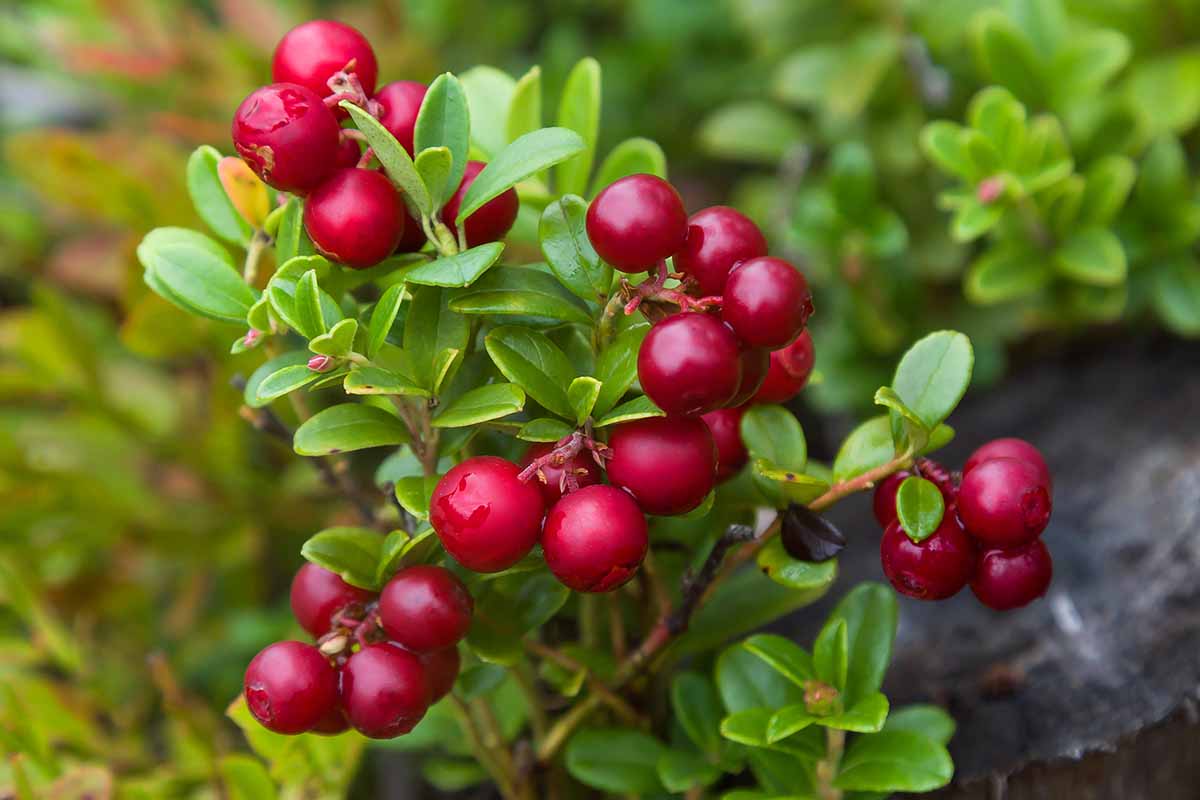
Imagine stumbling upon a vibrant red berry, bursting with a tartness that awakens your senses and whispers tales of ancient forests. These aren't just any berries; they're lingonberries , tiny powerhouses of nutrition and flavor, celebrated for centuries. This discovery sparked a deep dive into the world of lingonberries – what makes them so special, how to use them, and why they deserve a spot in everyone's pantry. Learn about lingonberries, their distinctive taste, and the health benefits they bring to the table.
Lingonberries, often overshadowed by their sweeter cousins like cranberries and blueberries, possess a unique character that sets them apart. Their tartness provides a refreshing counterpoint to rich dishes, adding a vibrant zing to both sweet and savory creations. But beyond their culinary appeal, lingonberries boast an impressive array of health benefits, earning them a reputation as a protective food. Rich in antioxidants, vitamins, and minerals, they offer a natural defense against various ailments, supporting overall well-being. From boosting immunity to promoting heart health, the potential of these little berries is truly remarkable.
So, why should you care about lingonberries? Because they offer a delicious and convenient way to enhance your diet and protect your health. Whether you're a seasoned foodie looking for new flavors or simply someone seeking natural ways to improve your well-being, lingonberries have something to offer. Let's explore the fascinating world of these tart berries and uncover their hidden potential.
Ultimately, lingonberries are more than just a pretty red fruit; they are a testament to the power of nature's bounty. Their unique flavor and impressive health benefits make them a worthy addition to any diet. Embrace the tartness and discover the protective properties of lingonberries , a truly remarkable and versatile berry. From traditional Scandinavian recipes to modern culinary creations, the possibilities are endless.
The Lingonberry: A Deep Dive
Lingonberries, also known as cowberries or foxberries, are small, red berries that grow on low-lying evergreen shrubs. They are native to the boreal forests and arctic tundra of the Northern Hemisphere, thriving in cool climates and acidic soils. For centuries, they have been a staple food in Scandinavian countries, where they are used in a variety of dishes, from jams and sauces to desserts and beverages.
History and Traditional Uses
The history of lingonberries is deeply intertwined with the cultures of Scandinavia and other northern regions. For generations, these berries have been a vital source of sustenance, particularly during long, harsh winters. Traditionally, lingonberries were gathered from the wild and preserved through various methods, such as drying, pickling, or turning them into jams and jellies. These preserved lingonberries provided essential vitamins and minerals, helping people survive the challenging winter months.
In traditional Scandinavian cuisine, lingonberries are often paired with rich, savory dishes, such as meatballs, game meats, and pancakes. Their tartness helps to cut through the richness of these foods, creating a balanced and flavorful meal. They are also used to make a variety of desserts, including lingonberry pie, lingonberry ice cream, and lingonberry pancakes.
Nutritional Powerhouse
Beyond their delicious flavor, lingonberries are packed with nutrients that offer a wide range of health benefits. They are an excellent source of:
Antioxidants: Lingonberries are rich in antioxidants, such as anthocyanins, which help protect cells from damage caused by free radicals. These antioxidants can help reduce the risk of chronic diseases, such as heart disease, cancer, and Alzheimer's disease. Vitamins: Lingonberries are a good source of vitamins C and E, which are important for immune function, skin health, and overall well-being. Minerals: Lingonberries contain essential minerals like manganese, potassium, and copper, which play vital roles in various bodily functions. Fiber: Lingonberries are a good source of dietary fiber, which promotes healthy digestion and helps regulate blood sugar levels.
The Protective Properties of Lingonberries
The health benefits of lingonberries are largely attributed to their high antioxidant content. Antioxidants help neutralize free radicals, unstable molecules that can damage cells and contribute to aging and disease.
Antioxidant Activity
Lingonberries are particularly rich in anthocyanins, a type of flavonoid pigment that gives them their vibrant red color. Anthocyanins have been shown to possess potent antioxidant and anti-inflammatory properties. They can help protect against a wide range of health problems, including:
Heart disease: Anthocyanins can help reduce blood pressure, improve cholesterol levels, and prevent the formation of blood clots, all of which can lower the risk of heart disease. Cancer: Some studies suggest that anthocyanins may have anti-cancer properties. They can help inhibit the growth of cancer cells and prevent the spread of cancer. Alzheimer's disease: Anthocyanins may help protect brain cells from damage and improve cognitive function, potentially reducing the risk of Alzheimer's disease.
Anti-Inflammatory Effects
In addition to their antioxidant properties, lingonberries also possess anti-inflammatory effects. Chronic inflammation is a major contributor to many chronic diseases, including arthritis, heart disease, and cancer. Lingonberries can help reduce inflammation by inhibiting the production of inflammatory molecules in the body.
Other Potential Benefits
Research suggests that lingonberries may offer a variety of other health benefits, including:
Improved blood sugar control: Lingonberries may help improve insulin sensitivity and regulate blood sugar levels, making them beneficial for people with diabetes or pre-diabetes. Enhanced immune function: The vitamins and antioxidants in lingonberries can help boost the immune system and protect against infections. Improved gut health: Lingonberries contain fiber and other compounds that can promote the growth of beneficial bacteria in the gut, leading to improved digestion and overall gut health. Urinary tract health: Lingonberries, like cranberries, contain compounds that can help prevent urinary tract infections (UTIs) by preventing bacteria from adhering to the walls of the urinary tract.
Culinary Uses and Recipe Ideas
Lingonberries are incredibly versatile in the kitchen. Their tart flavor pairs well with both sweet and savory dishes, making them a delightful addition to a wide range of recipes.
Traditional Scandinavian Cuisine
As mentioned earlier, lingonberries are a staple in Scandinavian cuisine. Here are a few traditional ways to enjoy them:
Lingonberry jam: A classic accompaniment to meatballs, pancakes, and other dishes. Lingonberry sauce: Served with game meats like venison or elk. Lingonberry juice: A refreshing and nutritious beverage. Lingonberry pie: A delicious and comforting dessert.
Modern Culinary Applications
Beyond traditional Scandinavian fare, lingonberries can be used in a variety of modern dishes:
Lingonberry vinaigrette: A tangy and flavorful dressing for salads. Lingonberry salsa: A sweet and spicy topping for grilled fish or chicken. Lingonberry smoothie: A healthy and refreshing breakfast or snack. Lingonberry muffins or scones: A delicious and unique twist on classic baked goods. Lingonberry cocktails: Add a tart and fruity twist to your favorite cocktails.
Recipe: Lingonberry Jam
This simple recipe allows you to capture the essence of lingonberries in a delicious and versatile jam.
Ingredients: 4 cups fresh or frozen lingonberries 1 cup water 2 cups sugar 1 tablespoon lemon juice (optional, but helps with pectin activation)
Instructions:
1. Combine lingonberries and water in a saucepan.
2. Bring to a boil over medium heat, then reduce heat and simmer for 10-15 minutes, or until the berries have softened.
3. Stir in sugar and lemon juice (if using).
4. Return to a boil, stirring constantly, until the sugar is dissolved and the jam has thickened. This may take 5-10 minutes.
5. To test for doneness, place a small spoonful of jam on a chilled plate. If it sets up quickly and doesn't run, it's ready.
6. Remove from heat and let cool slightly.
7. Pour into sterilized jars and seal.
8. Process in a boiling water bath for 10 minutes for long-term storage.
This lingonberry jam is perfect for spreading on toast, adding to yogurt or oatmeal, or serving with your favorite meats and cheeses.
Where to Find and How to Store Lingonberries
While fresh lingonberries may be difficult to find in some regions, frozen lingonberries are often available in specialty grocery stores or online. Lingonberry jam, sauce, and juice are also widely available.
Finding Lingonberries
Specialty grocery stores: Check the frozen fruit section or the international food aisle. Online retailers: Many online retailers sell frozen lingonberries and lingonberry products. Scandinavian markets: If you live near a Scandinavian market, you're likely to find a variety of lingonberry products. Foraging: If you live in a region where lingonberries grow, you can forage for them in the wild. Be sure to properly identify the berries before consuming them.
Storing Lingonberries
Fresh lingonberries: Store fresh lingonberries in the refrigerator for up to a week. Frozen lingonberries: Store frozen lingonberries in the freezer for up to a year. Lingonberry jam, sauce, and juice: Store opened jars in the refrigerator.
Potential Side Effects and Precautions
While lingonberries are generally safe for consumption, there are a few potential side effects and precautions to be aware of:
Allergies: Some people may be allergic to lingonberries. If you experience any allergic symptoms, such as hives, itching, or swelling, after consuming lingonberries, discontinue use and consult a doctor. Blood thinning: Lingonberries may have blood-thinning effects. If you are taking blood-thinning medication, such as warfarin, talk to your doctor before consuming lingonberries. Pregnancy and breastfeeding: There is limited information available about the safety of lingonberries during pregnancy and breastfeeding. If you are pregnant or breastfeeding, it's best to talk to your doctor before consuming lingonberries. Interactions with medications: Lingonberries may interact with certain medications. If you are taking any medications, talk to your doctor before consuming lingonberries.
FAQ About Lingonberries: Tart Berries Known for Their Protective Properties
Here are some frequently asked questions about lingonberries: tart berries known for their protective properties:
What exactly are lingonberries?
Lingonberries are small, red berries that grow on low-lying evergreen shrubs in the northern hemisphere. They are known for their tart flavor and high antioxidant content.
How do lingonberries taste? Are they similar to cranberries?
Lingonberries have a tart, slightly acidic flavor that is less sweet than cranberries. Some people describe them as having a hint of bitterness.
What are the health benefits of lingonberries?
Lingonberries are rich in antioxidants, vitamins, and minerals. They have been linked to a variety of health benefits, including improved heart health, reduced risk of cancer, and enhanced immune function.
Are there any side effects to eating lingonberries?
Lingonberries are generally safe to eat, but some people may experience allergic reactions. They may also have blood-thinning effects, so talk to your doctor if you are taking blood-thinning medication.
How can I use lingonberries in cooking?
Lingonberries can be used in a variety of dishes, from jams and sauces to desserts and beverages. They are particularly popular in Scandinavian cuisine.
Where can I buy lingonberries?
You can find lingonberries in specialty grocery stores, online retailers, and Scandinavian markets.
Are lingonberries the same as cranberries?
No, lingonberries and cranberries are different berries. While both are tart and red, lingonberries are smaller and have a more intense flavor. They also have a slightly different nutritional profile.
Can I grow my own lingonberries?
Yes, you can grow your own lingonberries if you live in a region with a cool climate and acidic soil.
How should I store lingonberries?
Store fresh lingonberries in the refrigerator for up to a week. Frozen lingonberries can be stored in the freezer for up to a year.
Are lingonberries sustainable?
Lingonberries are typically harvested from the wild, but some are also cultivated. Wild harvesting can be sustainable if done responsibly.
Do lingonberries help with UTI's?
Similar to cranberries, lingonberries contain compounds that may help prevent urinary tract infections (UTIs) by preventing bacteria from sticking to the urinary tract walls.
Can lingonberries boost my immune system?
Yes, the vitamins and antioxidants in lingonberries can help strengthen your immune system and protect against infections.
Lingonberries: A Conclusion
In conclusion, lingonberries: tart berries known for their protective properties , are a delicious and nutritious fruit with a rich history and a wide range of culinary and health benefits. From their vibrant tartness to their impressive antioxidant content, lingonberries offer a unique and valuable addition to any diet. Whether you're looking to boost your immune system, protect your heart health, or simply add a touch of Scandinavian flavor to your meals, lingonberries are definitely worth exploring. So, the next time you're looking for a healthy and flavorful berry, consider the humble lingonberry – you might just discover your new favorite fruit. Embrace the tartness, enjoy the benefits, and experience the magic of lingonberries!